Wildlife Conservation Safari Experiences encompass a unique blend of adventure and conservation, offering an exciting journey into the world of wildlife preservation and sustainable tourism. As we delve into the realms of hiking, mountain adventures, wildlife tours, and extreme sports travel, a deeper appreciation for the importance of conservation efforts emerges. Join us on this captivating exploration where every step taken contributes to the protection of our planet’s precious biodiversity.
Introduction to Wildlife Conservation Safari Experiences
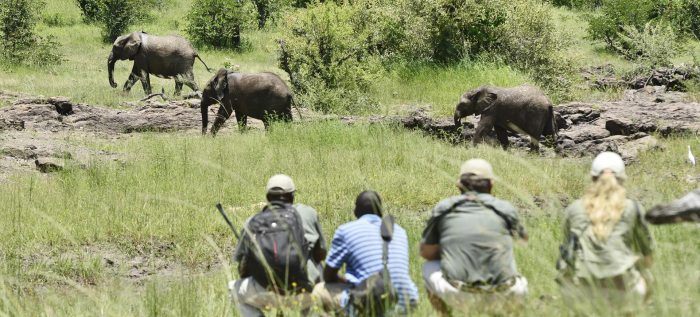
Wildlife conservation safari experiences involve observing and learning about wildlife in their natural habitats while promoting conservation efforts to protect these animals and their ecosystems.
Wildlife conservation is crucial in safari tourism as it helps preserve biodiversity, protect endangered species, and maintain the delicate balance of ecosystems. By participating in conservation-focused safaris, visitors can contribute to the protection of wildlife and support sustainable tourism practices.
Impact of Sustainable Practices on Wildlife Conservation during Safaris
Sustainable practices play a vital role in ensuring the long-term survival of wildlife populations during safaris. These practices help minimize the negative impact of tourism activities on the environment and wildlife, ultimately contributing to conservation efforts. Some key impacts of sustainable practices include:
- Reduced habitat destruction: By following sustainable practices, such as staying on designated paths and minimizing disturbance to wildlife, tourists can help protect the natural habitats of animals.
- Conservation funding: Revenue generated from sustainable safaris can be used to fund conservation projects, support local communities, and implement initiatives to protect wildlife.
- Education and awareness: Sustainable safaris provide opportunities for visitors to learn about wildlife conservation, environmental issues, and the importance of protecting natural habitats.
- Preservation of biodiversity: By promoting sustainable practices, safari operators can help preserve the diverse range of species found in national parks and wildlife reserves.
Hiking and Trekking in Conservation Areas
Exploring conservation areas through hiking and trekking can have a positive impact on wildlife conservation efforts. By immersing oneself in the natural habitat of various species, individuals can gain a deeper appreciation for wildlife and the importance of preserving their habitats.
Benefits of Incorporating Conservation Efforts into Hiking and Trekking Experiences
- Increased awareness: Hiking and trekking in conservation areas provide an opportunity for participants to learn about the local flora and fauna, as well as the threats they face.
- Support for conservation initiatives: Engaging in conservation-focused activities during hikes can help raise funds for conservation projects and support local communities.
- Promotion of sustainable practices: By practicing Leave No Trace principles and respecting wildlife, hikers and trekkers can contribute to the long-term sustainability of conservation areas.
Examples of Conservation-Focused Hiking and Trekking Routes
- Appalachian Trail, USA: This iconic hiking trail passes through several protected areas and provides opportunities to observe diverse wildlife species such as bears, deer, and birds.
- Kilimanjaro National Park, Tanzania: Trekking to the summit of Mount Kilimanjaro offers a unique chance to see endemic species and learn about conservation efforts in the region.
- Corcovado National Park, Costa Rica: Hiking through this biodiverse park allows visitors to witness a wide range of wildlife, including endangered species like jaguars and tapirs.
Mountain Adventures and Biodiversity Conservation
Mountain adventures play a crucial role in supporting biodiversity conservation efforts around the world. These activities not only offer thrilling experiences for adventurers but also contribute to raising awareness about the importance of wildlife protection and habitat preservation.
Success Stories of Mountain Adventure Initiatives
- Mount Kilimanjaro: The Kilimanjaro Porters Assistance Project (KPAP) ensures fair treatment and working conditions for porters on the mountain, promoting sustainable tourism and conservation practices.
- Everest Base Camp Trek: The Sagarmatha Pollution Control Committee (SPCC) works to manage waste and protect the environment in the Everest region, preserving the delicate ecosystem and wildlife habitats.
- Rocky Mountain National Park, USA: The park’s conservation programs engage visitors in citizen science projects, educating them about local flora and fauna while actively contributing to research and conservation efforts.
Safari and Wildlife Tours for Conservation
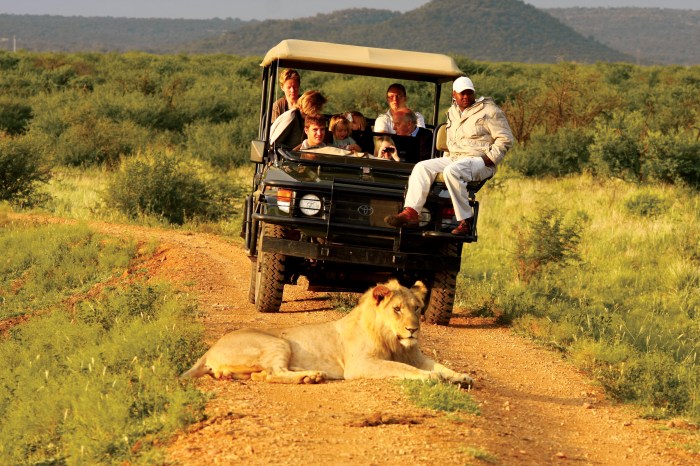
Participating in safari and wildlife tours can have a significant positive impact on conservation efforts around the world. These experiences not only provide valuable funding for conservation projects but also raise awareness about the importance of protecting wildlife and their habitats.
Sustainable Practices in Wildlife Tours
Reputable safari companies prioritize sustainability and implement various practices to ensure the protection of wildlife. Some of these sustainable practices include:
- Limiting the number of visitors to reduce environmental impact
- Supporting local communities through eco-tourism initiatives
- Partnering with conservation organizations to contribute to wildlife protection
- Implementing strict guidelines to ensure the safety and well-being of animals
Impact of Responsible Wildlife Tours
Responsible wildlife tours play a crucial role in conservation by promoting ethical and sustainable practices that benefit both wildlife and the environment. By choosing reputable companies that prioritize conservation, visitors can contribute to the protection of endangered species and their habitats. In contrast, unethical practices such as habitat destruction, wildlife trafficking, and exploitation of animals can have devastating consequences on conservation efforts, leading to the decline of species and irreversible damage to ecosystems.
Extreme Sports Travel and Conservation Awareness
Extreme sports travel can play a significant role in raising awareness for wildlife conservation by engaging enthusiasts in conservation projects and initiatives.
Active Participation in Conservation Projects
- Extreme sports enthusiasts can actively participate in conservation projects by volunteering for wildlife monitoring, habitat restoration, and anti-poaching efforts.
- Through their physical activities in natural environments, they can directly observe the impact of environmental degradation on wildlife and ecosystems, motivating them to contribute towards conservation efforts.
- Engaging in conservation projects allows extreme sports enthusiasts to experience a deeper connection with nature and wildlife, fostering a sense of responsibility towards protecting the environment.
Challenges and Benefits of Combining Extreme Sports with Conservation Initiatives
- Challenges may include balancing the adrenaline-fueled nature of extreme sports with the calm and patient approach required for conservation work.
- Extreme sports athletes may face physical risks and injuries while participating in conservation projects in remote and rugged environments.
- However, the benefits of combining extreme sports with conservation initiatives are numerous, including promoting sustainable tourism practices, educating a wider audience about conservation issues, and creating a sense of stewardship among participants.
- By showcasing the beauty and importance of natural habitats through extreme sports activities, conservation awareness can be effectively spread to a global audience.
Scuba Diving Destinations and Marine Conservation
Scuba diving provides a unique opportunity to explore the underwater world and witness marine life up close. Many scuba diving destinations around the globe also play a crucial role in marine conservation efforts.
Popular Scuba Diving Spots for Conservation
- Bonaire, Caribbean: Known for its strict marine park regulations and active reef restoration programs.
- Galapagos Islands, Ecuador: A UNESCO World Heritage site with protected marine reserves and ongoing conservation initiatives.
- Raja Ampat, Indonesia: Home to one of the most biodiverse marine ecosystems, with conservation projects focusing on coral reef protection.
Contribution of Scuba Divers to Marine Conservation
Scuba divers can actively participate in marine conservation during their dives by:
- Participating in reef clean-up initiatives to remove marine debris and waste from the ocean.
- Reporting sightings of endangered species, illegal fishing activities, or coral bleaching to authorities for conservation action.
- Supporting local marine conservation organizations through volunteer programs or donations to fund conservation projects.
Adventure Travel Blogs Advocating for Conservation
Adventure travel blogs focusing on wildlife conservation play a crucial role in raising awareness about the importance of protecting our natural ecosystems. These blogs not only inspire travelers to explore the beauty of wildlife and nature but also educate them on the threats faced by various species and habitats. By showcasing the wonders of the natural world and highlighting conservation efforts, adventure travel bloggers have the power to mobilize their audience towards taking action to preserve our planet for future generations.
Key Elements of Adventure Travel Blogs Advocating for Conservation
- Engaging storytelling that showcases unique wildlife encounters and conservation initiatives.
- Stunning photography and videography capturing the beauty of wildlife and natural landscapes.
- Educational content highlighting the importance of biodiversity and the need for conservation.
- Collaborations with conservation organizations to promote sustainable travel practices.
- Actionable tips for travelers to minimize their impact on the environment and support conservation efforts.
Role of Adventure Travel Bloggers in Promoting Conservation Awareness
Adventure travel bloggers serve as influential voices in the travel industry, using their platforms to advocate for wildlife protection and environmental conservation. Through their engaging content and firsthand experiences, these bloggers have the ability to reach a wide audience and inspire them to become responsible travelers who prioritize sustainability and conservation. By partnering with conservation organizations and leveraging their social media presence, adventure travel bloggers can amplify conservation messages and drive positive change.
Examples of Successful Adventure Travel Blogs Advocating for Wildlife Protection
- The Blonde Abroad: This popular travel blog features wildlife conservation initiatives around the world and encourages responsible tourism practices.
- Expert Vagabond: Through his adventures, this blogger raises awareness about endangered species and promotes ethical wildlife encounters.
- Adventurous Kate: Known for her conservation-focused travel stories, this blogger advocates for sustainable travel and wildlife protection.
Rock Climbing Trips in Wildlife Conservation Areas
Rock climbing trips in wildlife conservation areas can play a significant role in supporting conservation initiatives by raising awareness, generating funds for conservation projects, and promoting the preservation of fragile ecosystems. Responsible rock climbing practices are essential for wildlife preservation in these areas. Climbers must adhere to designated routes, minimize their impact on the environment, and respect wildlife habitats to ensure minimal disturbance to the natural ecosystem.
Collaboration Between Rock Climbing Organizations and Conservationists
- Rock climbing organizations often collaborate with conservationists to develop sustainable climbing practices that protect wildlife and their habitats.
- Case studies have shown successful partnerships where climbers volunteer for conservation activities, such as trail maintenance, habitat restoration, and wildlife monitoring.
- By working together, rock climbers and conservationists can ensure that climbing activities in wildlife areas are conducted in a way that minimizes harm to the environment and contributes to the overall conservation efforts.
Off the Beaten Path Adventures and Conservation Impact
Exploring off the beaten path destinations plays a crucial role in wildlife conservation efforts around the world. These lesser-known areas often hold unique ecosystems and species that are not as heavily impacted by tourism or human activities, making them valuable for conservation purposes.
Significance of Off the Beaten Path Adventures in Wildlife Conservation
- Preservation of Biodiversity: By venturing into remote and less-visited areas, conservationists can discover new species and ecosystems that may be at risk of extinction.
- Reduced Environmental Impact: Off the beaten path adventures help reduce the pressure on popular tourist destinations, allowing wildlife to thrive undisturbed.
- Community Engagement: Involving local communities in conservation efforts in these remote areas can lead to sustainable development and protection of natural resources.
Benefits of Exploring Lesser-Known Destinations for Conservation Purposes
- Supporting Local Conservation Efforts: Visiting off the beaten path destinations can generate revenue for conservation projects and awareness programs in these areas.
- Promoting Conservation Education: Experiencing the beauty and uniqueness of remote ecosystems firsthand can inspire individuals to become advocates for wildlife conservation.
- Creating Conservation Champions: By highlighting the importance of protecting these hidden gems, adventurers can become ambassadors for conservation causes and promote sustainable travel practices.
Positive Impact of Off the Beaten Path Adventures on Conservation Efforts
- Case Study: A group of hikers exploring a remote mountain range discovered a population of endangered species that had not been documented before, leading to increased protection measures for the area.
- Personal Experience: Traveling off the beaten path allowed me to witness the beauty of untouched landscapes and understand the importance of preserving these fragile ecosystems for future generations.
- Conservation Success Story: Through eco-tourism initiatives in lesser-known areas, local communities have been able to conserve their natural resources while improving their livelihoods, demonstrating the positive impact of sustainable travel practices.
Winter Sports Travel and Conservation Practices: Wildlife Conservation Safari Experiences
Winter sports travel can have a significant impact on wildlife habitats, especially in sensitive ecosystems. It is crucial for winter sports enthusiasts to be mindful of their environmental footprint and take steps to minimize their impact on wildlife conservation efforts.
Minimizing Disruption to Wildlife Habitats
- Avoid venturing off designated trails to prevent damage to vegetation and wildlife habitats.
- Respect wildlife by observing from a distance and refraining from feeding or approaching animals.
- Choose eco-friendly winter sports gear made from sustainable materials to reduce environmental harm.
Supporting Sustainable Winter Sports Tourism, Wildlife Conservation Safari Experiences
- Opt for resorts and tour operators that prioritize conservation practices and support local wildlife protection initiatives.
- Participate in conservation-focused activities such as wildlife monitoring programs or habitat restoration projects during your winter sports trip.
- Spread awareness about the importance of sustainable winter sports tourism and conservation efforts among fellow enthusiasts.
Desert Expeditions and Desert Wildlife Conservation
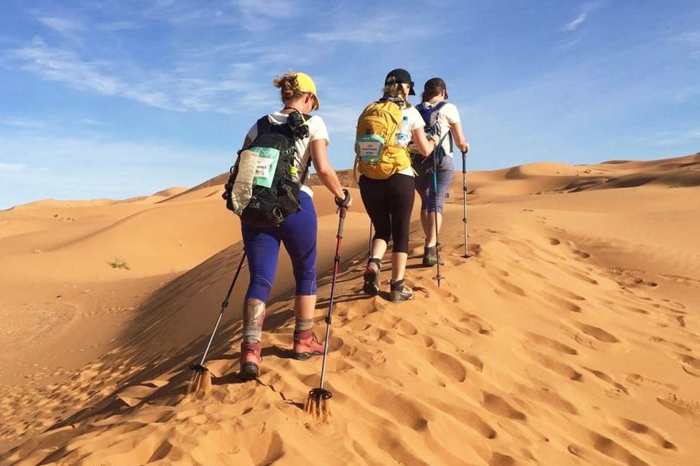
Desert expeditions present a unique set of challenges and opportunities for wildlife conservation efforts. The harsh and arid conditions of desert environments require specialized conservation strategies to protect the diverse wildlife species that call these regions home. At the same time, desert expeditions offer a valuable opportunity to study and conserve these unique ecosystems.
Conservation Projects for Desert Wildlife
- One prominent conservation project focused on protecting desert wildlife is the Arabian Oryx Sanctuary in Oman. This sanctuary aims to reintroduce the endangered Arabian Oryx back into the wild and restore their populations in their natural desert habitat.
- The Namib Desert Lion Conservation Project in Namibia works to address human-wildlife conflict and protect the iconic desert-adapted lions that roam the arid plains of the Namib Desert.
- The Sonoran Pronghorn Recovery Project in the United States focuses on the conservation of the endangered Sonoran pronghorn in the Sonoran Desert, implementing measures to safeguard their populations and habitat.
Cultural and Environmental Significance of Desert Expeditions
- Integrating desert expeditions with wildlife conservation efforts not only helps protect endangered species but also promotes a deeper understanding of the cultural and environmental significance of desert ecosystems.
- Local communities living in desert regions often have traditional knowledge and practices that are essential for the conservation of wildlife and the sustainability of these arid landscapes.
- By engaging in desert expeditions that prioritize conservation, travelers can contribute to the preservation of unique desert biodiversity while supporting local conservation initiatives and sustainable tourism practices.
Embark on a transformative experience through Wildlife Conservation Safari Experiences, where every action taken echoes a commitment to preserving the natural world for generations to come. Unleash your adventurous spirit while making a positive impact on wildlife conservation efforts, creating memories that not only thrill but also nurture the planet we call home.
Q&A
How can hiking and trekking promote wildlife conservation?
By raising awareness about the importance of protecting natural habitats and wildlife species, hiking and trekking activities can encourage conservation efforts and sustainable practices.
What is the impact of responsible wildlife tours compared to unethical practices on conservation?
Responsible wildlife tours contribute positively to conservation by supporting local ecosystems and wildlife populations, while unethical practices can harm habitats and endanger species.
How can extreme sports travel contribute to raising awareness for wildlife conservation?
Extreme sports enthusiasts can use their platforms to promote conservation messages, engage in conservation projects, and showcase the importance of protecting wildlife and their habitats.
What are some popular scuba diving spots known for their conservation efforts?
Places like the Great Barrier Reef in Australia and the Galapagos Islands in Ecuador are renowned for their conservation initiatives that aim to protect marine life and biodiversity.
How do off the beaten path adventures impact wildlife conservation efforts?
Exploring lesser-known destinations helps reduce overtourism in popular areas, supporting conservation by spreading visitor traffic and promoting sustainable travel practices.