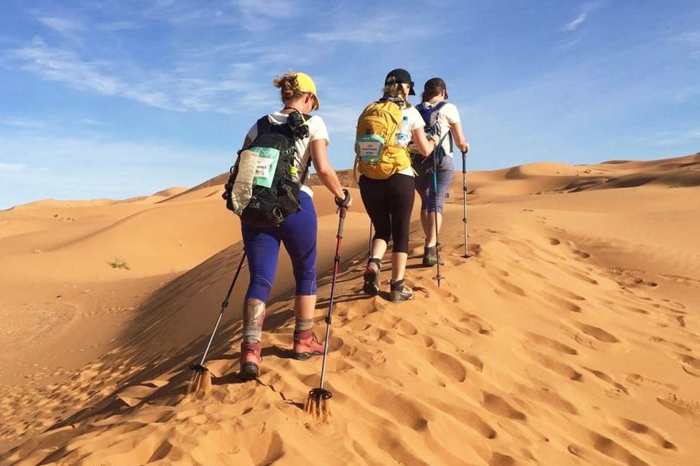
Desert Hiking and Trekking Tours: Embark on a journey through the rugged beauty of deserts, where every step reveals ancient landscapes and untamed wilderness, promising an unforgettable adventure like no other.
Explore the unique challenges and rewards of desert hiking and trekking, as we delve into the heart of these arid terrains, discovering the allure of offbeat paths and hidden gems waiting to be uncovered.
Desert Hiking and Trekking Tours
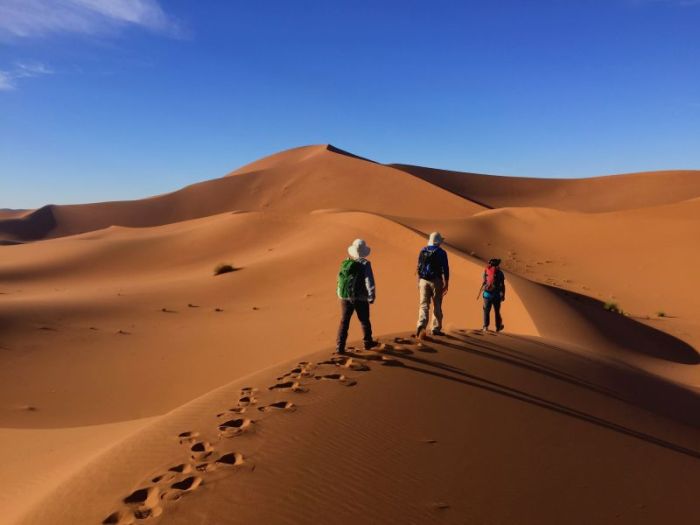
Desert hiking and trekking tours offer a unique and thrilling experience for outdoor enthusiasts. The appeal lies in the vast and awe-inspiring landscapes, challenging terrains, and the opportunity to connect with nature in a raw and untouched setting.
Comparing Desert Hiking with Mountain Trekking
Desert hiking experiences differ from mountain trekking adventures in various ways. While both offer stunning views and physical challenges, desert hikes often involve extreme temperatures, lack of water sources, and navigation through sandy dunes or rocky terrain. Mountain treks, on the other hand, may include altitude sickness, unpredictable weather conditions, and technical climbing skills.
Tips for Preparing for a Desert Hiking Tour
- Stay hydrated: Carry plenty of water and electrolyte-rich drinks to prevent dehydration in the arid desert environment.
- Protect yourself from the sun: Wear lightweight, long-sleeved clothing, a wide-brimmed hat, sunglasses, and sunscreen to shield yourself from the intense desert sun.
- Bring navigation tools: Due to the vast and sometimes featureless desert landscapes, it’s essential to carry a map, compass, or GPS device to avoid getting lost.
- Pack essential supplies: Include first aid kit, snacks, high-energy foods, and emergency supplies in your backpack.
- Inform someone of your plans: Before embarking on a desert hiking tour, make sure to share your itinerary with a friend or family member in case of emergencies.
Popular Desert Hiking Destinations
- Sahara Desert, Africa: Known for its endless sand dunes, the Sahara offers a challenging yet rewarding hiking experience.
- Atacama Desert, Chile: The driest desert in the world, Atacama boasts breathtaking salt flats, volcanoes, and otherworldly landscapes.
- Wadi Rum, Jordan: This desert valley is famous for its red sandstone cliffs, ancient rock carvings, and unique Bedouin culture.
- Red Centre, Australia: Home to iconic Uluru (Ayers Rock) and Kata Tjuta (The Olgas), the Australian Outback offers unforgettable desert hiking adventures.
Hiking and Trekking Mountain Adventures
Mountain hiking and trekking offer a unique set of challenges and rewards for outdoor enthusiasts. The breathtaking views, fresh mountain air, and sense of accomplishment make these adventures truly unforgettable.
Essential Gear for Mountain Adventures
Before embarking on a mountain hiking or trekking trip, it’s crucial to have the right gear to ensure your safety and comfort. Here are some essential items to pack:
- Hiking boots with good ankle support
- Moisture-wicking clothing
- Waterproof jacket and pants
- Navigation tools (map, compass, GPS)
- First aid kit
- Headlamp or flashlight
- Food and plenty of water
- Sun protection (hat, sunglasses, sunscreen)
- Emergency shelter (tent, bivy sack, emergency blanket)
Personal Experiences from Memorable Mountain Hiking Trips
One of the most memorable mountain hiking trips I experienced was summiting Mount Kilimanjaro in Tanzania. The challenging trek to the highest peak in Africa was both physically demanding and mentally rewarding. The sunrise views from Uhuru Peak were absolutely stunning and made every step of the journey worth it.
Difficulty Levels of Different Mountain Trails for Hiking
Mountain trails vary in difficulty, from easy walks to strenuous climbs requiring technical skills. Some factors that contribute to the difficulty level of a trail include elevation gain, terrain, weather conditions, and overall distance. For example, hiking the well-known Inca Trail to Machu Picchu in Peru involves steep ascents and descents at high altitudes, making it a challenging but incredibly rewarding trek for hikers.
Safari and Wildlife Tours
When embarking on desert hiking tours, travelers often have the unique opportunity to encounter a variety of wildlife species that have adapted to survive in harsh desert environments. The vast and diverse landscapes of deserts provide a habitat for many fascinating creatures, making wildlife encounters a common highlight of desert expeditions.
Benefits of combining a desert hike with a safari tour
Exploring the desert on foot during a hiking tour allows travelers to immerse themselves in the natural beauty of the landscape and experience a sense of solitude and tranquility. By combining a desert hike with a safari tour, adventurers can further enhance their wildlife viewing opportunities by venturing into specific areas known for their diverse animal populations. This combination offers a well-rounded adventure experience that combines the thrill of hiking with the excitement of spotting unique desert wildlife.
Wildlife species commonly encountered during desert expeditions
- Desert foxes: These elusive creatures are well-adapted to desert life and can often be spotted in the early morning or late evening.
- Camels: A symbol of desert life, camels are frequently seen roaming the arid landscape and are commonly used for transportation in desert regions.
- Raptors: Desert skies are often filled with the majestic sight of birds of prey, such as eagles and hawks, soaring overhead in search of prey.
- Scorpions: These nocturnal creatures are fascinating to observe in their natural habitat, but caution should be taken to avoid accidental encounters.
Conservation efforts related to wildlife in desert regions
Conservation organizations and local communities are working together to protect the fragile ecosystems of desert regions and the wildlife that depend on them for survival. Efforts include habitat restoration, anti-poaching initiatives, and education programs to raise awareness about the importance of preserving desert wildlife. By supporting these conservation efforts, travelers can help ensure that future generations will have the opportunity to experience the wonders of desert wildlife.
Extreme Sports Travel
Embark on an exhilarating journey into the heart of extreme sports in desert environments. Feel the adrenaline rush as you push your limits amidst the vast and challenging landscapes.
When engaging in extreme sports in deserts, safety precautions are paramount to ensure a thrilling yet secure experience. It is essential to stay hydrated, wear appropriate gear, and be aware of your surroundings at all times. Additionally, seeking guidance from experienced professionals can enhance the safety and enjoyment of your adventures.
Popular Extreme Sports Activities in Deserts
- 1. Sandboarding: Glide down towering sand dunes on a board for an adrenaline-pumping experience.
- 2. Dune Bashing: Hold on tight as you ride over desert dunes in a 4×4 vehicle, experiencing heart-racing thrills.
- 3. Desert Rock Climbing: Scale rocky formations in the desert, testing your strength and agility against nature’s obstacles.
Comparing the thrill of extreme sports in deserts with other terrains, the unique challenges and rugged beauty of desert landscapes add an extra element of excitement to the experiences. The vast expanses of sand and rock formations provide a dynamic backdrop for adrenaline-fueled adventures, setting desert extreme sports apart from those in other environments.
Scuba Diving Destinations
When it comes to scuba diving near desert regions, there are unique opportunities waiting to be explored. Despite the arid landscapes, desert-adjacent waters offer a surprising diversity of marine life and underwater ecosystems.
Marine Life Diversity
Scuba diving in desert-adjacent waters introduces divers to a wide range of marine species. From colorful corals to exotic fish and other sea creatures, these regions are teeming with life. Divers can encounter everything from vibrant reef fish to majestic sea turtles and even larger marine mammals like dolphins and whales.
Combining Desert Hiking with Scuba Diving
- Plan your itinerary carefully to allow for both desert hiking and scuba diving adventures.
- Consider destinations that offer both activities in close proximity for a seamless transition between the two.
- Ensure you have the necessary gear for both hiking and scuba diving to make the most of your trip.
- Take breaks between activities to rest and recharge, especially when transitioning from hiking in the desert to diving in the ocean.
Challenges of Scuba Diving in Desert-Adjacent Waters
- Extreme temperatures: Desert regions can have hot climates, which may affect water temperatures and diving conditions.
- Limited visibility: Factors like sand and sediment runoff from desert areas can impact water clarity and visibility for divers.
- Logistical challenges: Accessing remote desert-adjacent dive sites may require careful planning and coordination.
- Unique ecosystems: Desert-adjacent waters may host specialized marine life adapted to the harsh conditions, presenting a different diving experience.
Adventure Travel Blogs
Adventure travel blogs play a crucial role in promoting desert hiking tours by providing valuable insights, tips, and firsthand experiences to inspire and educate adventure seekers. These blogs offer a platform for sharing adventures, showcasing stunning landscapes, and connecting with like-minded travelers.
Must-Follow Adventure Travel Bloggers Focusing on Deserts
- ExpertVagabond: Matthew Karsten, the man behind ExpertVagabond, shares captivating stories and breathtaking photos from his desert adventures around the world.
- The Blonde Abroad: Kiersten Rich combines travel and fashion in her blog, featuring desert destinations with a focus on female solo travel and photography.
- Nomadic Matt: Matt Kepnes provides budget-friendly travel tips and desert trekking experiences, making adventure travel accessible to all.
How Adventure Travel Blogs Influence Travelers’ Decisions
Adventure travel blogs influence travelers’ decisions by offering authentic reviews, detailed itineraries, and insider tips that help them plan their desert hiking tours effectively. Readers often rely on these blogs to discover hidden gems, avoid tourist traps, and gain confidence in exploring remote desert landscapes.
The Impact of Social Media on the Popularity of Desert Adventure Blogs
Social media platforms like Instagram, Facebook, and YouTube have significantly contributed to the popularity of desert adventure blogs by allowing bloggers to reach a wider audience, engage with followers in real-time, and showcase visually stunning content. The visual appeal of desert landscapes and adrenaline-pumping activities shared on social media platforms has attracted more travelers to seek out desert hiking tours and adventures.
Rock Climbing Trips
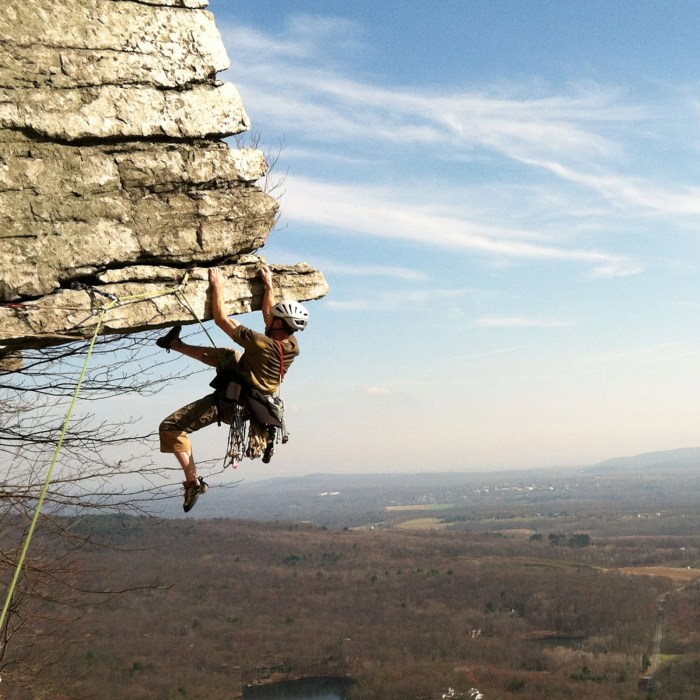
Rock climbing in desert environments offers a unique and thrilling experience for adventure enthusiasts. The desert landscapes provide a different challenge compared to traditional mountainous rock climbing.When exploring rock climbing opportunities during desert hiking and trekking tours, it’s essential to consider the distinct features of desert rock formations. Unlike the rugged and jagged cliffs found in mountainous areas, desert rock formations often consist of sandstone or limestone.
These types of rocks can be more susceptible to erosion and weathering, requiring climbers to approach them with caution.Safety tips for rock climbing in desert environments include checking the stability of the rock, being mindful of loose rocks or sand, staying hydrated in the hot and arid climate, and always using proper safety gear such as helmets and harnesses. It’s also crucial to be aware of potential wildlife encounters in desert regions.Different skill levels are required for rock climbing routes in deserts, ranging from beginner-friendly to advanced challenges.
Beginners may find easier routes with more handholds and footholds, while experienced climbers can test their skills on more technical and demanding routes that require precise footwork and strong grip strength.
Comparing Desert and Mountain Rock Formations
Desert rock formations are often characterized by smoother surfaces and unique shapes due to the effects of wind and water erosion. In contrast, mountainous rock formations tend to be more rugged and jagged, offering a variety of cracks and crevices for climbers to navigate.
- Desert rock formations: Sandstone or limestone, smoother surfaces, unique shapes, susceptible to erosion.
- Mountain rock formations: Rugged and jagged, cracks and crevices, varied textures, formed through geological processes.
Skill Levels for Desert Rock Climbing
Rock climbing routes in desert environments cater to climbers of all skill levels, offering a range of challenges from easy to difficult. It’s essential for climbers to assess their abilities and choose routes that align with their experience level.
- Beginner routes: More handholds and footholds, less technical moves, suitable for climbers new to rock climbing.
- Intermediate routes: Increased difficulty, require better technique and strength, ideal for climbers with some experience.
- Advanced routes: Highly technical and challenging, demand strong grip strength and precise footwork, recommended for experienced climbers.
Off the Beaten Path Adventures: Desert Hiking And Trekking Tours
Exploring offbeat desert hiking and trekking routes offers a unique and thrilling experience for adventurous travelers. These lesser-known paths often lead to hidden gems and unspoiled wilderness, allowing explorers to truly immerse themselves in the beauty of the desert landscape.
The Allure of Offbeat Desert Hiking and Trekking Routes
- Off the beaten path adventures provide a sense of discovery and exploration, as you venture into untouched terrain away from the crowds.
- These routes offer a more authentic experience, allowing you to connect with nature and the local culture in a deeper way.
- Exploring offbeat paths can lead to unexpected encounters with wildlife, unique rock formations, and stunning vistas that are off the typical tourist radar.
Hidden Gems and Lesser-Known Desert Destinations
- Places like the White Desert in Egypt, Fish River Canyon in Namibia, and the Tatacoa Desert in Colombia offer stunning landscapes and rich cultural experiences.
- Visiting lesser-known desert destinations allows you to support local communities and conservation efforts, contributing to sustainable tourism practices.
- Exploring off the beaten path can lead to unforgettable experiences and memories that you wouldn’t find in more popular tourist spots.
Benefits of Exploring Off the Beaten Path, Desert Hiking and Trekking Tours
- Offbeat adventures provide a sense of freedom and independence, allowing you to tailor your journey to your preferences and interests.
- You can escape the hustle and bustle of tourist hotspots, finding peace and solitude in the vast expanse of the desert.
- Exploring lesser-known routes can challenge you both physically and mentally, leading to personal growth and a deeper connection to the natural world.
Comparison with Popular Tourist Spots
- While popular tourist spots offer convenience and amenities, off the beaten path adventures provide a more authentic and immersive travel experience.
- Offbeat routes allow you to discover hidden treasures and secret spots that are not overcrowded or commercialized.
- Exploring off the beaten path in the desert can lead to unexpected discoveries and a sense of wonder that is hard to find in well-trodden tourist areas.
Winter Sports Travel
When thinking about winter sports travel, desert regions may not be the first place that comes to mind. However, these unique landscapes offer exciting opportunities for those seeking a different kind of winter adventure.Desert regions provide a distinctive setting for winter sports, with vast sand dunes and rocky terrain that can be transformed into thrilling slopes for activities like sandboarding, sand skiing, and even snowshoeing in rare snowy patches.
The contrast of the bright sun against the cool temperatures creates a one-of-a-kind experience for winter sports enthusiasts.
Unique Winter Sports Opportunities in Desert Regions
- Sandboarding down steep dunes for an adrenaline rush unlike any other.
- Sand skiing on fine grains of sand that mimic the feeling of gliding on snow.
- Exploring desert landscapes on snowshoes during rare snowfall events.
Challenges of Engaging in Winter Sports in Desert Climates
- Extreme temperature fluctuations between day and night can impact outdoor activities.
- Limited access to amenities and services in remote desert areas can pose logistical challenges.
- Unpredictable weather conditions in desert regions require careful planning and preparation.
Tips for Planning a Winter Sports Adventure in Desert Areas
- Research the specific desert region to understand its climate and terrain for suitable winter sports.
- Pack appropriate gear for fluctuating temperatures and varying terrain conditions.
- Consult with local guides or tour operators familiar with desert winter sports for a safe and enjoyable experience.
Comparison with Traditional Snowy Destinations
- Desert regions offer a unique and unconventional winter sports experience compared to traditional snowy destinations.
- Winter sports in desert climates provide a different kind of challenge and adventure for outdoor enthusiasts.
- Exploring desert landscapes during winter can offer a refreshing change from the typical snowy mountain scenery.
Desert Expeditions
Desert expeditions offer a unique opportunity to immerse yourself in the rich cultural experiences of the desert regions, providing a deeper understanding of the local traditions, lifestyles, and history.
Cultural Experiences:
Exploring the desert on a trekking tour allows travelers to interact with indigenous communities, witness traditional ceremonies, taste local cuisine, and learn about age-old customs passed down through generations. The desert environment serves as a backdrop for experiencing authentic cultural interactions that are truly unforgettable.
History and Significance:
Desert expeditions have a long history dating back to ancient times when nomadic tribes traversed the vast desert landscapes in search of resources and new territories. These expeditions played a vital role in shaping trade routes, cultural exchanges, and historical events, making them significant in understanding the development of civilizations over time.
Environmental Impact and Conservation Efforts:
While desert expeditions offer incredible adventures, it is crucial to consider the environmental impact of such activities on fragile desert ecosystems. Conservation efforts focus on promoting sustainable tourism practices, preserving natural habitats, and protecting endangered species to ensure the long-term viability of desert environments for future generations.
Recommendations for Travelers:
- Choose reputable tour operators with a commitment to responsible tourism practices.
- Pack essential supplies such as sunscreen, water, and protective clothing to stay safe in the desert climate.
- Respect local customs and traditions, and engage with communities in a respectful and meaningful way.
- Support conservation initiatives and minimize your ecological footprint during your desert expedition.
In conclusion, Desert Hiking and Trekking Tours offer a blend of excitement, serenity, and discovery, inviting you to step off the beaten path and immerse yourself in the wonders of the desert landscape. Whether you seek adrenaline-fueled activities or peaceful contemplation, these tours promise an experience that will leave you with lasting memories and a newfound appreciation for the beauty of the desert.
FAQ Overview
What gear is essential for desert hiking tours?
Proper hydration gear, sturdy footwear, sun protection, and a reliable navigation system are crucial for desert hiking tours.
Are desert hiking tours suitable for beginners?
While some desert trails may be challenging, there are beginner-friendly options available with experienced guides to ensure a safe and enjoyable experience.
What wildlife encounters can one expect during desert hiking tours?
Desert hiking tours offer the chance to spot unique wildlife such as desert foxes, camels, various bird species, and elusive desert reptiles.
How can one prepare for extreme sports activities during desert tours?
It is essential to follow safety guidelines, undergo proper training, and use specialized equipment when engaging in extreme sports in desert environments.