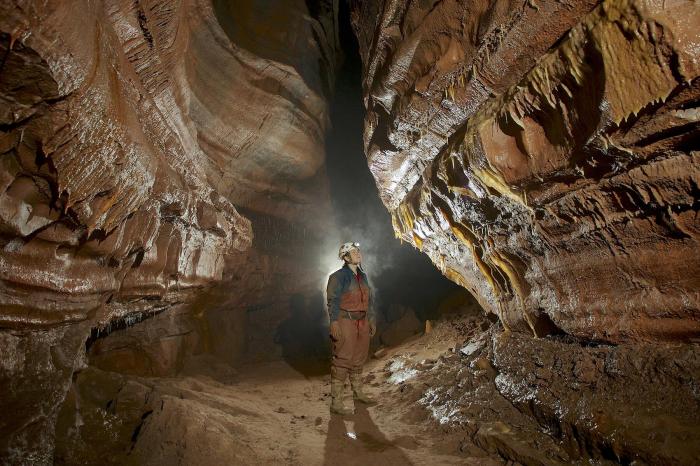
Best Caving and Spelunking Spots sets the stage for this enthralling narrative, offering readers a glimpse into a story that is rich in detail and brimming with originality from the outset. Caving and spelunking enthusiasts will delight in the exploration of the most breathtaking underground wonders across the globe.
As we dive deeper into this thrilling adventure, you’ll uncover the hidden gems of caves with unique features, essential safety measures to consider, and valuable tips for beginners looking to embark on their first caving journey.
Best Caving and Spelunking Spots
Caving, also known as spelunking, offers adventurers a chance to explore the hidden wonders of the underground world. From breathtaking rock formations to mysterious chambers, caves around the globe provide a unique and thrilling experience for those brave enough to venture into their depths.
Top 5 Caving Destinations Worldwide and Their Unique Features
- Carlsbad Caverns, New Mexico, USA: Known for its massive underground chambers and stunning formations like the Big Room, this cave system is a must-visit for caving enthusiasts.
- Waitomo Glowworm Caves, New Zealand: Explore a magical underground world illuminated by thousands of glowworms, creating a mesmerizing display unlike any other.
- Postojna Cave, Slovenia: One of the longest cave systems in Europe, Postojna Cave features an underground railway and unique rock formations, attracting visitors from around the world.
- Mammoth Cave, Kentucky, USA: As the world’s longest known cave system, Mammoth Cave offers a variety of tours for all experience levels, showcasing its vast chambers and intricate passageways.
- Deer Cave, Malaysia: Located in Gunung Mulu National Park, Deer Cave is home to the world’s largest cave passage and a stunning natural phenomenon known as the Garden of Eden.
Importance of Safety Measures When Exploring Caves
When entering caves, safety should always be a top priority to ensure a successful and enjoyable caving experience. Some essential safety measures include:
- Always inform someone of your caving plans and expected return time.
- Wear appropriate gear such as a helmet, sturdy shoes, and clothing that can get dirty.
- Bring ample water, food, and a light source for emergencies.
- Stay on marked paths and follow all guidelines provided by experienced guides.
- Be aware of potential hazards like loose rocks, slippery surfaces, and low ceilings.
Tips for Beginners Interested in Trying Caving for the First Time
If you’re new to caving and eager to explore underground landscapes, here are some tips to help you get started:
- Join a guided tour with experienced cavers to learn the basics and explore safely.
- Start with easy caves suited for beginners before attempting more challenging adventures.
- Practice proper cave etiquette by not touching formations or disturbing wildlife.
- Listen to your guide’s instructions and ask questions if you’re unsure about anything.
- Stay calm and focused while inside the cave, enjoying the unique environment around you.
Hiking and Trekking
When it comes to outdoor adventures, hiking and trekking are two popular activities that allow you to explore nature and challenge yourself physically. While both involve walking in natural environments, there are some key differences between hiking and trekking.
Difference between Hiking and Trekking
Hiking is generally considered to be a more leisurely activity that involves walking on well-marked trails or paths. It can be a day trip or a short excursion that doesn’t require extensive planning or specialized gear. On the other hand, trekking is a more intense and challenging activity that often involves multi-day journeys through remote and rugged terrain. Trekking requires a higher level of physical fitness, endurance, and preparation.
Essential Gear for Hiking or Trekking, Best Caving and Spelunking Spots
- Hiking boots or trekking shoes for good foot support
- Backpack to carry essentials like water, snacks, and first aid kit
- Weather-appropriate clothing (layers are key for changing conditions)
- Navigational tools such as a map, compass, or GPS device
- Sun protection like sunscreen, sunglasses, and a hat
- Emergency shelter like a lightweight tent or space blanket
- Multi-tool or knife for various tasks
- Headlamp or flashlight for visibility in low light
Memorable Hiking or Trekking Experience
One of my most memorable hiking experiences was trekking to the summit of a mountain in the Himalayas. The journey was physically demanding, with steep ascents and high altitude challenges, but the breathtaking views and sense of accomplishment made it all worth it. As we reached the top, the sunrise painted the sky in vibrant colors, casting a magical glow over the surrounding peaks.
It was a moment of pure awe and connection with nature that I will never forget.
Mountain Adventures
Exploring the majestic beauty of mountains offers a unique sense of adventure and excitement, drawing in thrill-seekers and nature lovers alike. The physical benefits of mountain adventures are plenty, including improved cardiovascular health, increased strength and endurance, and a boost in mental well-being from being surrounded by nature’s grandeur.
Top 3 Mountain Ranges for Adventure Seekers
- The Himalayas: Home to some of the tallest peaks in the world, including Mount Everest, the Himalayas offer a challenging yet rewarding experience for climbers and trekkers.
- The Andes: Stretching along the western coast of South America, the Andes provide a diverse range of landscapes and climates for adventurers to explore, from lush rainforests to high-altitude peaks.
- The Alps: Renowned for their iconic peaks and stunning alpine scenery, the Alps attract mountaineers, hikers, and skiers alike, offering a mix of challenges and breathtaking views.
Most Challenging Mountain Climb
Embarking on the climb to the summit of Mount Kilimanjaro in Tanzania stands out as one of the most challenging and rewarding mountain experiences I’ve completed. The trek to the highest peak in Africa tests both physical and mental endurance, pushing climbers to their limits while offering unparalleled views of the surrounding landscape.
Safari and Wildlife Tours
Embarking on a safari and wildlife tour offers a unique opportunity to witness magnificent creatures in their natural habitat. It is crucial to approach wildlife tourism responsibly to ensure the well-being of the animals and their environment.
Explore the significance of responsible wildlife tourism
Responsible wildlife tourism involves respecting the natural behavior of animals, maintaining a safe distance, and minimizing any negative impact on their habitat. By following guidelines set by conservationists and wildlife experts, tourists can contribute to the preservation of endangered species and ecosystems.
Describe a close encounter with wildlife during a safari tour
During a safari tour in Africa, I had a breathtaking close encounter with a family of elephants. As our vehicle slowly approached them, we observed the gentle giants interacting with each other, displaying their intelligence and social bonds. It was a humbling experience to witness these magnificent creatures up close in their natural environment.
Share tips for capturing the best wildlife photographs during a safari
- Patience is key – wait for the right moment to capture wildlife in action.
- Use a telephoto lens to zoom in on animals from a safe distance.
- Prioritize natural lighting for clear and vibrant photographs.
- Focus on the eyes of the animal to convey emotion and connection.
- Avoid using flash photography to prevent startling or disturbing the wildlife.
Extreme Sports Travel
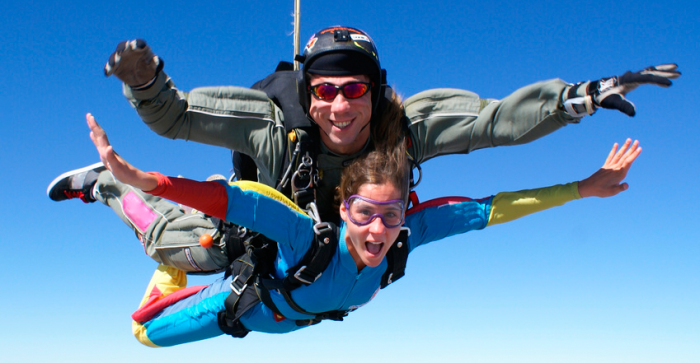
Traveling for extreme sports is not for the faint of heart. The rush of adrenaline experienced in these activities is unparalleled, attracting thrill-seekers from around the world. Whether it’s bungee jumping, skydiving, or white-water rafting, extreme sports travel offers an unforgettable experience that pushes the limits of excitement and adventure.
Top 3 Extreme Sports Destinations Worldwide
- New Zealand: Known as the adventure capital of the world, New Zealand offers a wide range of extreme sports activities such as bungee jumping, skydiving, and jet boating.
- Switzerland: With its stunning alpine landscapes, Switzerland is a paradise for extreme sports enthusiasts. From skiing and snowboarding to paragliding and mountaineering, there is no shortage of adrenaline-pumping activities to try.
- South Africa: Home to the world’s highest commercial bungee jump, South Africa is a mecca for thrill-seekers. Cage diving with great white sharks, abseiling down Table Mountain, and white-water rafting on the Orange River are just a few of the exciting adventures this country has to offer.
Personal Anecdote
During a trip to Queenstown, New Zealand, I decided to conquer my fear of heights by trying bungee jumping for the first time. Standing on the edge of the platform, overlooking the breathtaking scenery below, my heart raced with a mix of fear and excitement. The moment I took the leap, the rush of adrenaline was indescribable. It was a thrilling experience that I will never forget, and it opened my eyes to the exhilarating world of extreme sports travel.
Scuba Diving Destinations
Scuba diving offers a unique opportunity to explore the fascinating underwater world, filled with vibrant marine life and stunning ecosystems. Let’s delve into some of the most popular scuba diving spots around the globe.
The Beauty of Underwater Ecosystems
Scuba diving in destinations like the Great Barrier Reef in Australia or the Maldives allows divers to witness breathtaking coral reefs teeming with colorful fish, sea turtles, and other fascinating marine creatures. The crystal-clear waters provide an immersive experience unlike any other, showcasing the intricate beauty of underwater ecosystems.
Safety Tips for Novice Scuba Divers
- Always dive with a certified instructor or experienced dive master.
- Ensure you are properly trained and familiar with your equipment before diving.
- Never hold your breath while ascending to the surface.
- Monitor your air supply and dive within your limits.
- Stay calm and communicate effectively with your dive buddy.
Preserving Marine Life While Diving
As scuba divers, it is crucial to respect and protect the marine environment we explore. Avoid touching or disturbing marine life, never feed the animals, and refrain from collecting souvenirs from the ocean. By practicing responsible diving habits and supporting conservation efforts, we can help preserve these precious ecosystems for future generations to enjoy.
Adventure Travel Blogs
Adventure travel blogs play a crucial role in inspiring wanderlust among readers by sharing thrilling experiences, hidden gems, and off-the-beaten-path destinations. These blogs provide a platform for travelers to live vicariously through the adventures of others, sparking a sense of curiosity and exploration.
Favorite Adventure Travel Blog
One of my favorite adventure travel blogs is “The Blonde Abroad” by Kiersten Rich. This blog stands out for its vibrant and engaging content, stunning photography, and valuable travel tips. Kiersten’s personal anecdotes and detailed guides make her blog a go-to resource for adventure seekers looking to embark on their own journeys.
Tips for Aspiring Adventure Travel Bloggers
- Find your niche: Identify what sets your travel experiences apart and focus on creating content around that unique perspective.
- Be authentic: Share genuine stories and emotions to connect with your audience on a deeper level.
- Invest in quality photography: Visuals are key in the travel blogging world, so make sure to capture stunning images to complement your writing.
- Engage with your audience: Respond to comments, collaborate with other bloggers, and participate in travel communities to grow your network.
- Stay consistent: Regularly update your blog with fresh content to keep your readers engaged and coming back for more.
Rock Climbing Trips
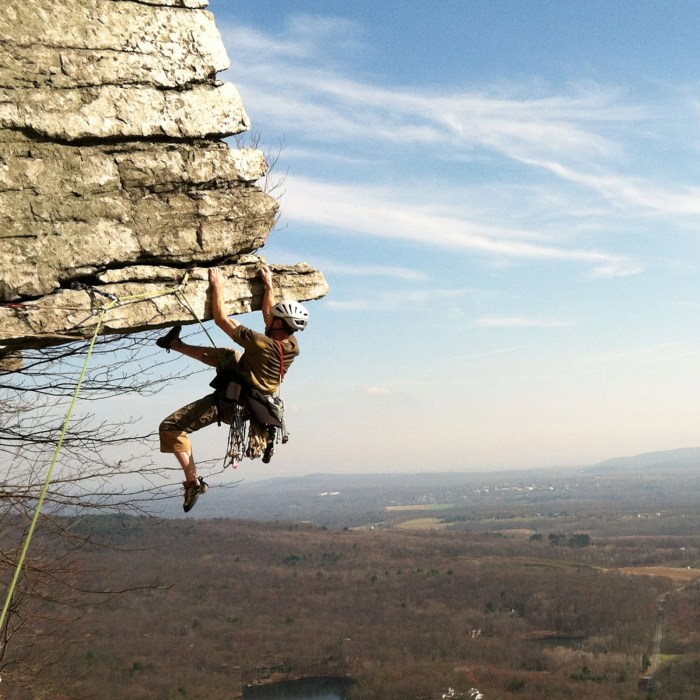
Rock climbing is a thrilling adventure that combines physical strength, mental focus, and problem-solving skills. Climbers face various challenges such as fear of heights, fatigue, and route-finding obstacles, making it a demanding yet rewarding activity.
Mental and Physical Challenges of Rock Climbing
- Overcoming fear of heights and maintaining focus while climbing
- Developing physical strength and endurance to navigate challenging routes
- Problem-solving skills to find the best holds and plan the ascent
Essential Equipment Needed for a Rock Climbing Expedition
- Harness
- Ropes
- Climbing shoes
- Helmet
- Carabiners and quickdraws
- Chalk bag and chalk
Memorable Rock Climbing Experience and Lessons Learned
One of the most memorable rock climbing experiences was summiting a challenging peak after multiple failed attempts. The lesson learned was the importance of perseverance, adaptability, and teamwork in overcoming obstacles and achieving goals in the face of adversity.
Beaten Path Adventures
In a world where many popular tourist destinations are often overcrowded, off-the-beaten-path adventures offer a unique and more authentic travel experience. These hidden gems allow travelers to explore lesser-known destinations, immerse themselves in local cultures, and discover untouched natural beauty.
Hidden Gem Destination: Faroe Islands
The Faroe Islands, located between Iceland and Norway, are a hidden gem destination that offers incredible adventure opportunities for those willing to venture off the beaten path. With rugged landscapes, dramatic cliffs, and picturesque villages, the Faroe Islands are a paradise for hikers, birdwatchers, and nature enthusiasts.
- Explore the traditional turf-roofed houses in the village of Kirkjubøur.
- Hike to the breathtaking waterfall of Múlafossur in Gásadalur.
- Visit the remote island of Mykines to see puffins up close in their natural habitat.
- Take a boat trip to the sea stacks of Drangarnir and Tindhólmur for stunning views of the North Atlantic Ocean.
For travelers looking to explore lesser-known destinations like the Faroe Islands, it is essential to do thorough research beforehand. Make sure to check for any travel restrictions or permits required, pack appropriate gear for outdoor activities, and be respectful of local customs and traditions. Embrace the spirit of adventure and get ready to uncover the hidden treasures of off-the-beaten-path destinations.
Winter Sports Travel: Best Caving And Spelunking Spots
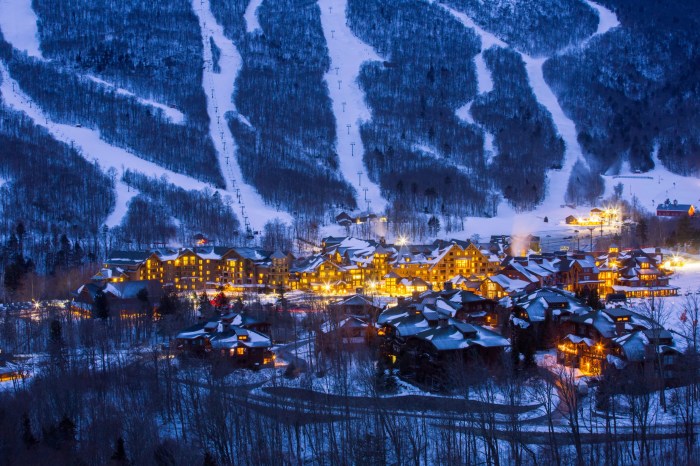
Skiing and snowboarding are exhilarating winter sports that offer a unique adrenaline rush as you glide down snowy slopes, navigating twists and turns while surrounded by breathtaking winter landscapes.
Top Winter Sports Destinations
- Whistler Blackcomb, Canada: Known for its vast terrain and reliable snowfall, Whistler Blackcomb offers a variety of runs for skiers and snowboarders of all levels.
- Chamonix, France: A mecca for extreme skiers and snowboarders, Chamonix boasts challenging terrain and stunning views of the French Alps.
- Aspen Snowmass, USA: With four mountains to choose from, Aspen Snowmass is a favorite among winter sports enthusiasts for its diverse terrain and vibrant après-ski scene.
- Niseko, Japan: Famous for its powder snow, Niseko is a paradise for powder hounds looking to experience world-class skiing and snowboarding in a unique cultural setting.
Unforgettable Winter Sports Experience
One unforgettable winter sports experience I had was in the Swiss Alps, where I had the opportunity to ski down steep, untouched powder runs with panoramic views of snow-covered peaks all around me. The feeling of freedom and exhilaration as I carved through the snow was truly unforgettable and left me with a deep appreciation for the beauty and thrill of winter sports.
Desert Expeditions
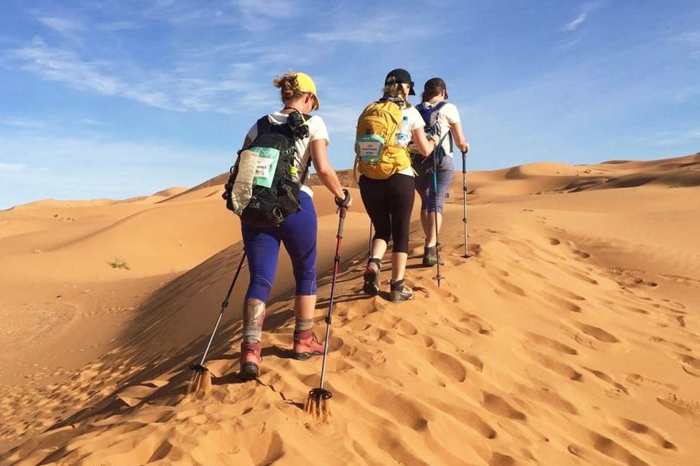
Embarking on desert expeditions presents both challenges and rewards for travelers seeking unique adventures. The vast and arid landscapes offer a sense of isolation and tranquility, but also require careful preparation and knowledge to ensure a safe journey.
Challenges of Desert Expeditions
- Extreme Temperatures: Deserts are known for their temperature fluctuations, with scorching heat during the day and freezing cold at night. Travelers must be prepared for these extremes.
- Lack of Water: Finding water sources in the desert can be extremely challenging. It is essential to carry an ample supply of water and know how to conserve it.
- Navigational Difficulties: The vast, featureless terrain of deserts can make navigation challenging. Travelers should be proficient in using maps, GPS, and other navigational tools.
Desert Survival Tips for Travelers
- Stay Hydrated: Drink water regularly to prevent dehydration, even if you do not feel thirsty.
- Protect Yourself from the Sun: Wear sunscreen, a hat, and lightweight, breathable clothing to shield yourself from the sun’s harsh rays.
- Carry Essential Supplies: Pack enough food, water, first aid kit, navigation tools, and emergency supplies for your journey.
Beauty of Desert Landscapes and Unique Experiences
Desert landscapes offer a stark and breathtaking beauty, with vast sand dunes, rocky canyons, and unique flora and fauna adapted to the harsh environment. Watching the sunrise or sunset over the desert horizon, stargazing under the clear night sky, and experiencing the silence and solitude of the desert are unforgettable experiences that draw adventurers to these remote and captivating landscapes.
In conclusion, Best Caving and Spelunking Spots encapsulates the essence of thrill-seeking exploration into the depths of the earth, offering a blend of excitement and safety in a world filled with wonders waiting to be discovered. Embark on your own caving escapade and witness the beauty that lies beneath the surface.
Questions Often Asked
What are the top 5 caving destinations worldwide and their unique features?
The top 5 caving destinations include Carlsbad Caverns in the US, Waitomo Glowworm Caves in New Zealand, Son Doong Cave in Vietnam, Mammoth Cave in Kentucky, and Eisriesenwelt Ice Cave in Austria. Each offers distinct geological formations and awe-inspiring experiences.
Why is safety important when exploring caves?
Safety is crucial in caving to prevent accidents, navigate challenging terrains, and ensure a smooth expedition. Proper equipment, knowledge of cave systems, and guidance from experienced spelunkers are essential to enjoy a safe and rewarding caving experience.
What tips can you share for beginners interested in trying caving for the first time?
For beginners, it’s recommended to start with guided tours, acquire basic caving gear, follow safety protocols, and gradually increase the difficulty of caves. Building skills and confidence over time is key to enjoying caving to the fullest.