Safari Travel Tips for Beginners: Embarking on a safari adventure can be exhilarating and daunting for new travelers. From packing essentials to safety precautions, this guide covers everything you need to know to make the most of your safari experience.
Whether you’re a wildlife enthusiast or simply seeking a new adventure, these tips will ensure a memorable and responsible journey into the heart of nature.
Safari Travel Tips for Beginners
Embarking on a safari adventure is an exciting experience that allows you to immerse yourself in the beauty of nature and wildlife. However, to ensure a safe and enjoyable trip, it is important to be well-prepared with essential tips. Here are some valuable safari travel tips for beginners:
Essential Packing Tips for a Safari Trip
- Pack light and versatile clothing suitable for the weather conditions.
- Bring sturdy walking shoes and a wide-brimmed hat for sun protection.
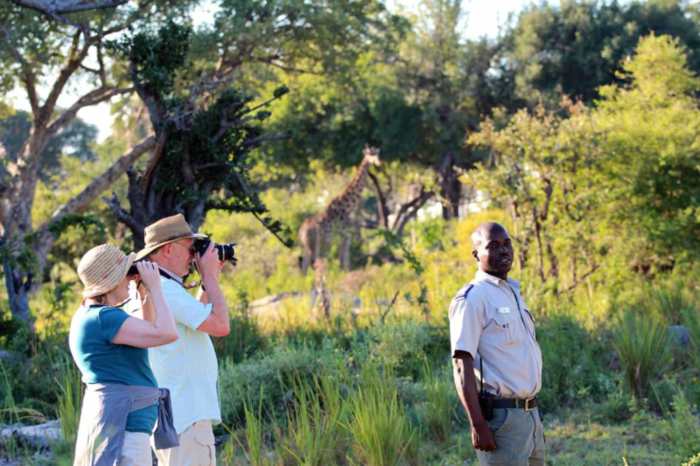
- Don’t forget to pack binoculars, a camera, and extra batteries for capturing memorable moments.
- Include sunscreen, insect repellent, and any necessary medications in your travel kit.
Choosing the Right Safari Tour Operator
- Research and read reviews to find a reputable and experienced safari tour operator.
- Ensure the operator follows ethical wildlife viewing practices and supports conservation efforts.
- Check if the tour includes experienced guides who prioritize safety and provide informative insights.
- Compare prices, itineraries, and inclusions to select a tour that aligns with your preferences and budget.
Safety Precautions to Consider While on a Safari Adventure
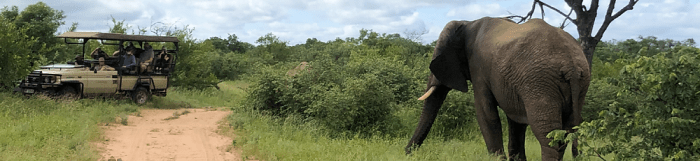
- Follow your guide’s instructions and stay inside the vehicle during wildlife encounters.
- Avoid sudden movements or loud noises that may startle animals and pose a risk to your safety.
- Stay hydrated, especially in hot climates, and be mindful of your surroundings at all times.
- Keep a safe distance from wild animals and never attempt to feed or touch them.
Importance of Respecting Wildlife and Nature During a Safari
- Observe wildlife from a distance to minimize disturbance to their natural behavior.
- Do not litter or leave any waste behind, as it can harm the environment and wildlife.
- Avoid picking plants or disturbing habitats, and respect the natural balance of the ecosystem.
- Support responsible tourism practices that prioritize conservation and sustainability for future generations.
Hiking and Trekking
When it comes to outdoor activities, hiking and trekking are popular choices for nature lovers and adventure seekers. While they may seem similar, there are distinct differences between the two.
Difference between Hiking and Trekking
Hiking is a leisurely walk on well-defined trails, usually lasting a few hours. It is suitable for all fitness levels and does not require specialized gear. On the other hand, trekking involves longer, more challenging journeys that can last for multiple days. It often takes place in remote areas with rougher terrain, requiring more endurance and advanced equipment.
Essential Gear and Equipment
- Comfortable hiking boots/shoes
- Weather-appropriate clothing
- Backpack with essentials (water, snacks, first aid kit)
- Navigational tools (map, compass, GPS)
- Sun protection (hat, sunglasses, sunscreen)
- Emergency shelter (tent, bivvy bag)
Benefits of Hiking and Trekking
- Physical Health: Both activities provide a great cardiovascular workout, improve muscle strength, and boost endurance.
- Mental Health: Spending time in nature can reduce stress, anxiety, and depression, promoting overall mental well-being.
- Connection with Nature: Hiking and trekking allow you to immerse yourself in the beauty of the outdoors and appreciate the natural world.
Tips for Choosing Hiking Trails
- Start Easy: Beginners should choose trails with low difficulty ratings and gradually progress to more challenging ones.
- Research Trails: Look for information on trail length, elevation gain, terrain, and potential hazards before embarking on a hike.
- Consider Fitness Level: Select trails that match your fitness level to avoid exhaustion or injuries along the way.
- Check Weather Conditions: Be aware of weather forecasts and prepare accordingly with appropriate clothing and gear.
Mountain Adventures
Embarking on a mountain adventure is an exhilarating experience that offers breathtaking views and a sense of accomplishment. Whether you are a seasoned climber or a beginner looking to challenge yourself, there are several popular mountain destinations around the world that cater to all levels of skill and experience.
Popular Mountain Destinations
- Mount Kilimanjaro, Tanzania – Known for its diverse ecosystems and iconic snow-capped peak.
- Matterhorn, Switzerland – A challenging peak renowned for its pyramid-like shape.
- Mount Everest Base Camp, Nepal – Offers stunning views of the world’s highest mountain.
Acclimatization Importance
Before embarking on a high-altitude mountain adventure, it is crucial to allow your body to acclimatize to the altitude. This process helps prevent altitude sickness and ensures a safer and more enjoyable trekking experience.
Safety Tips for Mountain Adventures
- Always check the weather forecast before heading out.
- Stay hydrated and pack enough water for the journey.
- Inform someone of your itinerary and expected return time.
- Carry essential safety gear such as a first aid kit, map, and compass.
Best Time of Year for Mountain Expeditions
The best time to embark on a mountain expedition varies depending on the destination. Generally, the spring and autumn months are ideal for trekking and climbing due to stable weather conditions and clearer visibility. However, it is essential to research specific destinations for the most suitable time to visit based on climate and seasonal factors.
Safari and Wildlife Tours
Embarking on a safari and wildlife tour offers a unique opportunity to witness magnificent creatures in their natural habitat, creating unforgettable experiences for travelers.
Capturing the Best Wildlife Photographs
When on a safari, capturing the best wildlife photographs requires patience, timing, and the right equipment. Here are some tips to help you:
- Ensure your camera settings are optimized for wildlife photography, such as using a fast shutter speed to freeze motion.
- Focus on the animal’s eyes to bring life and emotion to your photos.
- Respect the wildlife’s space and avoid disrupting their natural behavior for the sake of a photograph.
- Consider the lighting conditions and position yourself for the best angles to capture stunning shots.
Conservation Efforts and Ethical Wildlife Viewing
Safari and wildlife tour operators often support conservation efforts to protect endangered species and their habitats. It is essential to choose operators that prioritize sustainability and wildlife welfare. Here are some conservation efforts supported by these operators:
- Contributing to local conservation projects and initiatives.
- Implementing responsible tourism practices to minimize environmental impact.
- Educating tourists about wildlife conservation and the importance of preserving natural ecosystems.
Ethical Wildlife Viewing Practices
When observing wildlife during a safari, it is crucial to prioritize ethical viewing practices to ensure the well-being of the animals and their habitats. Here are some recommendations for ethical wildlife viewing:
- Respect the animals’ space and behavior by keeping a safe distance and avoiding loud noises or sudden movements.
- Do not feed or touch the wildlife, as it can disrupt their natural diet and behavior.
- Follow the guidelines provided by experienced guides and tour operators to minimize disturbance to the animals.
- Support wildlife conservation efforts by choosing tours that prioritize sustainability and responsible tourism practices.
Extreme Sports Travel
Embark on a thrilling journey to explore adrenaline-pumping extreme sports destinations around the world. From skydiving to bungee jumping, get ready for an unforgettable experience filled with excitement and adventure.
Importance of Proper Training and Preparation, Safari Travel Tips for Beginners
Before diving into extreme sports activities, it is crucial to undergo proper training and preparation. This includes learning the necessary skills, understanding safety protocols, and being aware of potential risks involved in each sport.
- Attend training sessions conducted by certified instructors to master the techniques required for the sport.
- Equip yourself with the appropriate gear and safety equipment to ensure a secure and protected experience.
- Understand the rules and regulations of the sport to prevent accidents and ensure a smooth and enjoyable adventure.
Safety Tips for Extreme Sports Enthusiasts
Staying safe during extreme sports activities is paramount to enjoying the experience to the fullest. Follow these safety tips to minimize risks and enhance your overall journey:
- Always perform a thorough safety check on your equipment before engaging in any extreme sport.
- Listen to your instructors and follow their guidance to ensure a safe and successful experience.
- Stay within your skill level and avoid attempting advanced maneuvers without proper training and supervision.
Mental Resilience for Extreme Sports Travel
Engaging in extreme sports requires not only physical strength but also mental resilience. Prepare yourself mentally for the challenges ahead and cultivate a positive mindset to overcome obstacles and push your limits:
- Practice mindfulness and visualization techniques to stay focused and composed during intense moments.
- Build confidence in your abilities and trust in your training to face challenges with courage and determination.
- Stay calm under pressure and maintain a positive attitude, even in the face of adversity.
Scuba Diving Destinations: Safari Travel Tips For Beginners
Scuba diving offers a unique opportunity to explore the underwater world and witness stunning marine life up close. Here are some top scuba diving destinations known for their exceptional underwater landscapes:
Top Scuba Diving Destinations
- The Great Barrier Reef, Australia: Home to a vast array of marine species and colorful coral reefs, this iconic destination is a must-visit for scuba diving enthusiasts.
- Cozumel, Mexico: Known for its crystal-clear waters and diverse marine life, Cozumel offers incredible diving experiences for all skill levels.
- Maldives: With its warm waters and abundance of marine biodiversity, the Maldives is a paradise for underwater exploration.
Choosing the Right Scuba Diving Certification Course
When selecting a scuba diving certification course, it is essential to consider factors such as the reputation of the training agency, the instructor’s experience, and the course curriculum. Look for certifications from recognized organizations like PADI or NAUI.
Safety Protocols for Scuba Diving
- Always dive within your limits and never hold your breath while ascending.
- Check your equipment thoroughly before each dive and follow the buddy system to ensure safety.
- Be aware of potential hazards such as strong currents, marine life encounters, and changes in weather conditions.
Marine Conservation Efforts
Many popular scuba diving locations are actively involved in marine conservation efforts to protect fragile ecosystems and endangered species. Participate in eco-friendly dive practices and support local conservation initiatives to help preserve these underwater environments for future generations.
Adventure Travel Blogs
Adventure travel blogs have become a powerful tool in inspiring wanderlust among travelers around the world. These blogs provide a platform for sharing personal experiences, tips, and recommendations for those seeking adventurous and off-the-beaten-path travel experiences. Aspiring adventure travel bloggers can learn a lot from successful bloggers by understanding their unique storytelling styles and strategies for engaging their audience.
Creating Engaging Content
- Focus on sharing authentic and personal experiences to connect with your audience on a deeper level.
- Use high-quality photographs and videos to visually captivate your readers and bring your adventures to life.
- Write compelling and descriptive narratives that transport your audience to the destinations you visit.
- Engage with your readers by responding to comments and questions, creating a sense of community around your blog.
Successful Adventure Travel Blogs and Storytelling Styles
- The Broke Backpacker: Known for budget travel tips and adventurous stories from around the world.
- Nomadic Matt: Focuses on sustainable travel and cultural experiences, sharing in-depth destination guides.
- Expert Vagabond: Offers adrenaline-pumping adventure stories and stunning photography from extreme travel destinations.
Role of Social Media in Promoting Adventure Travel Blogs
- Utilize platforms like Instagram, Facebook, and Twitter to share snippets of your adventures and drive traffic to your blog.
- Engage with your audience through social media by posting updates, behind-the-scenes content, and live videos from your travels.
- Collaborate with other travel bloggers and influencers to expand your reach and connect with a wider audience.
Rock Climbing Trips
Rock climbing is not only a thrilling adventure but also a great way to improve both mental and physical health. It requires focus, problem-solving skills, and physical strength, making it a full-body workout that challenges both the mind and body.
Mental and Physical Benefits
- Improves mental focus and problem-solving skills
- Increases strength and endurance
- Boosts confidence and self-esteem
- Provides a sense of accomplishment and overcoming fears
Essential Gear and Equipment
- Rock climbing shoes
- Harness
- Chalk bag and chalk
- Belay device
- Helmet
- Climbing ropes
- Carabiners and quickdraws
- Climbing harness
Choosing the Right Routes
- Start with beginner-friendly routes with easy holds and shorter climbs
- Gradually progress to more challenging routes as skills improve
- Research and ask local climbers for recommendations on suitable routes
- Consider the grading system and choose routes within your skill level
Safety Measures and Precautions
- Always check and double-check your gear before starting a climb
- Communicate clearly with your climbing partner and establish a system for communication
- Learn and practice proper belaying techniques
- Be aware of potential hazards and risks on the climbing route
- Always climb with a partner and have a plan in case of emergencies
Beaten Path Adventures
Embark on a journey to discover the hidden gems of off-the-beaten-path destinations, where adventure awaits at every turn.
Exploring Lesser-Known Routes
When planning your beaten path adventure, consider researching alternative travel routes that are not commonly frequented by tourists. This will allow you to experience a more authentic and untouched side of the destination.
- Opt for local transportation options or guided tours that specialize in off-the-beaten-path exploration.
- Stay open to unexpected detours and spontaneous discoveries along the way.
- Connect with fellow travelers or locals for insider tips on hidden gems that are off the radar.
Cultural Experiences and Interactions
One of the highlights of beaten path adventures is the opportunity to immerse yourself in unique cultural experiences and engage with local communities.
- Participate in traditional ceremonies, festivals, or workshops to gain insights into the local way of life.
- Interact with indigenous tribes or remote communities to learn about their traditions, beliefs, and customs.
- Support local businesses and artisans by purchasing handmade crafts or souvenirs that reflect the region’s heritage.
Sustainable Travel Practices
As you venture into remote destinations on beaten path adventures, it is essential to prioritize sustainable travel practices to minimize your environmental impact and support conservation efforts.
- Choose eco-friendly accommodation options that promote responsible tourism and respect the natural surroundings.
- Reduce waste by carrying reusable items such as water bottles, shopping bags, and utensils.
- Follow designated trails, respect wildlife habitats, and avoid disturbing the local ecosystem during your exploration.
Winter Sports Travel
Winter sports travel is an exciting way to embrace the cold weather and enjoy activities like skiing, snowboarding, and more. Whether you’re a beginner or an experienced enthusiast, there are plenty of destinations around the world that cater to winter sports lovers.
Popular Winter Sports Destinations
- Switzerland: Known for its picturesque Alps and world-class ski resorts like Zermatt and St. Moritz.
- Canada: Offers diverse terrain for skiing and snowboarding in places like Whistler and Banff.
- Japan: Famous for its powder snow in Hokkaido and Nagano, perfect for winter sports enthusiasts.
Tips for Dressing Appropriately
- Layer up: Dress in moisture-wicking base layers, insulating mid-layers, and waterproof outerwear.
- Wear proper accessories: Don’t forget gloves, hats, goggles, and insulated socks to stay warm and dry.
- Choose the right footwear: Opt for waterproof and insulated boots to keep your feet comfortable while on the slopes.
Safety Considerations for Winter Sports
- Always wear a helmet to protect yourself from head injuries while skiing or snowboarding.
- Know your limits and stay within marked trails to avoid accidents and injuries.
- Check weather conditions and avalanche risks before heading out for your winter sports activities.
Recommendations for Winter Sports Resorts
- Aspen, Colorado: A popular destination for beginners with ski schools and gentle slopes.
- Chamonix, France: Offers a mix of challenging and beginner-friendly terrain for all skill levels.
- Lake Tahoe, California: Known for its stunning views and a variety of winter sports options for beginners.
Desert Expeditions
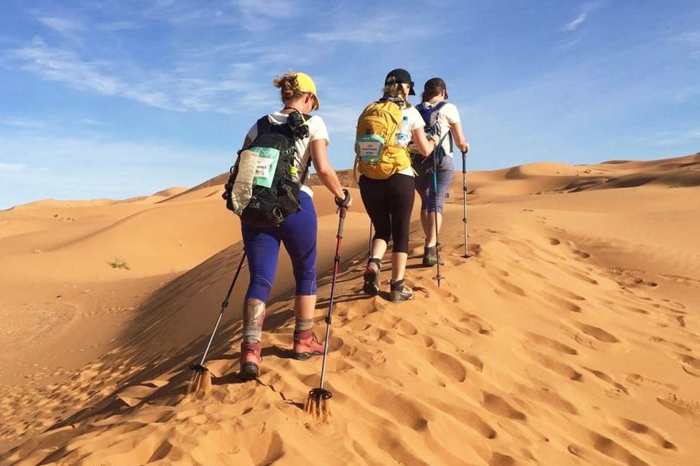
Exploring the vast and challenging landscapes of deserts can be a thrilling adventure for those seeking unique experiences in nature. From the scorching heat to the stunning beauty of sand dunes, desert expeditions offer a chance to immerse yourself in a harsh yet mesmerizing environment.
Staying Hydrated and Protected
- Carry an ample supply of water to stay hydrated throughout the journey.
- Wear lightweight and breathable clothing to protect yourself from the sun’s intense rays.
- Use sunscreen with a high SPF to shield your skin from sunburn.
- Seek shade during the hottest parts of the day to avoid heat exhaustion.
Flora and Fauna in Deserts
- Desert ecosystems are home to unique plant species adapted to arid conditions, such as cacti and succulents.
- Animal life in deserts includes camels, snakes, lizards, and birds specially adapted to survive in harsh desert environments.
- Learn about the fascinating adaptations that allow flora and fauna to thrive in extreme desert conditions.
Cultural Significance of Desert Expeditions
- In many cultures, desert expeditions hold deep spiritual and historical significance, often tracing back to ancient traditions and rituals.
- Exploring deserts can provide insights into the way of life of nomadic tribes and indigenous communities living in these arid regions.
- Participating in desert expeditions can offer a profound connection to nature and a sense of adventure unlike any other.
From respecting wildlife to capturing the best photographs, Safari Travel Tips for Beginners equips you with the knowledge to navigate the wild with confidence and mindfulness. Start your safari journey today and embrace the wonders of the natural world with these essential tips.
FAQ Overview
What should I pack for a safari trip?
It’s advisable to pack lightweight, neutral-colored clothing, sturdy hiking boots, sun protection, insect repellent, and a camera for capturing memories.
How do I choose the right safari tour operator?
Research reputable tour operators with positive reviews, proper certifications, experienced guides, and a commitment to wildlife conservation.
What safety precautions should I consider on a safari adventure?
Stay inside the vehicle during game drives, follow the guide’s instructions, avoid sudden movements around wildlife, and never feed or approach animals.
Why is it important to respect wildlife and nature during a safari?
Respecting wildlife and nature helps in preserving ecosystems, maintaining the balance of the environment, and ensuring the safety of both animals and humans.