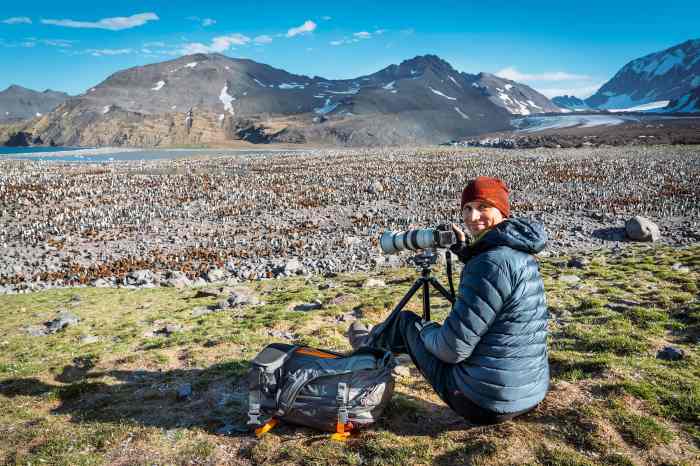
Mountain Adventure Photography Tips unfold a world of opportunities to capture breathtaking moments amidst rugged landscapes and towering peaks. From essential gear to expert techniques, this guide is your gateway to mastering the art of mountain photography.
Explore the beauty of mountain adventures through a lens and learn how to elevate your photography skills to new heights with our comprehensive tips and tricks.
Mountain Adventure Photography Tips
Capturing stunning mountain shots requires the right gear, lighting conditions, composition techniques, and camera settings. Here are some essential tips to elevate your mountain adventure photography:
Essential Camera Gear for Mountain Photography
- Wide-angle lens: Ideal for capturing the vast landscapes and grandeur of mountains.
- Tripod: Essential for stabilizing your camera in uneven terrain or low light conditions.
- Polarizing filter: Helps reduce glare and enhance colors in bright mountain landscapes.
- Remote shutter release: Useful for minimizing camera shake in long exposure shots.
Best Lighting Conditions for Mountain Shots
- Golden hour: The hour after sunrise and before sunset offers warm, soft light ideal for mountain photography.
- Dramatic skies: Cloud formations, storms, and sun rays breaking through clouds can add depth and drama to your mountain photos.
- Avoid harsh midday sun: Direct overhead sunlight can create harsh shadows and wash out colors in mountain landscapes.
Techniques for Composing Dynamic Mountain Adventure Photos
- Use leading lines: Incorporate natural lines like rivers, trails, or ridges to guide the viewer’s eye through the image.
- Include a focal point: Highlight a subject of interest, such as a hiker, wildlife, or a unique rock formation, to add depth to your composition.
- Experiment with perspective: Get low to the ground or find a higher vantage point to capture unique angles and viewpoints of the mountains.
Tips for Adjusting Camera Settings in High-Altitude Environments
- Adjust exposure: High-altitude environments may require different exposure settings due to intense sunlight or reflective snow. Monitor your histogram to ensure proper exposure.
- Consider white balance: Mountain landscapes can have varied lighting conditions, so experiment with different white balance settings to capture accurate colors.
- Watch for condensation: Temperature changes in mountain environments can lead to condensation on your lens. Keep a lens cloth handy to prevent foggy photos.
Hiking and Trekking
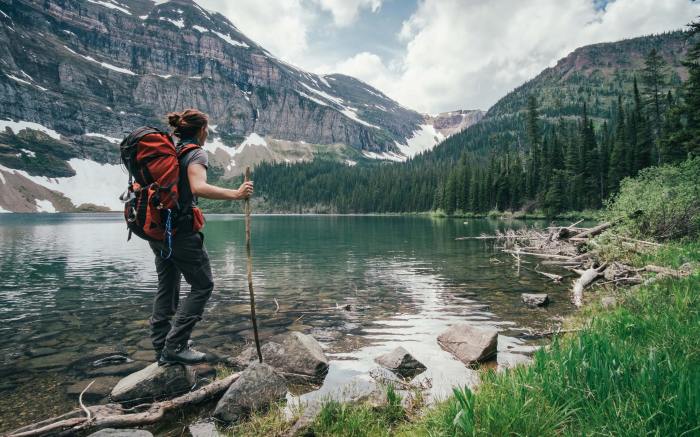
When embarking on a hiking or trekking adventure in mountainous terrain, having the right gear is crucial for a safe and enjoyable experience. Proper footwear, trekking poles, safety precautions, and essential supplies are all essential components to consider.
Importance of Proper Footwear
Proper footwear is key when hiking in mountainous terrain. Sturdy hiking boots with good ankle support and grip are essential to prevent slips, twists, and injuries on uneven and rocky trails. Investing in high-quality hiking boots can make a significant difference in your comfort and safety during the hike.
Benefits of Trekking Poles
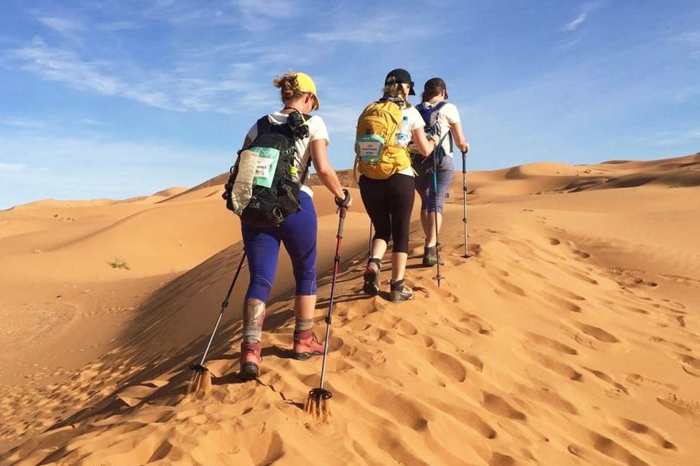
On different types of trails, trekking poles can provide various benefits. On steep ascents and descents, trekking poles help distribute weight, reduce strain on joints, and provide stability. They also improve balance on rocky or uneven terrain, making it easier to navigate challenging sections of the trail.
Safety Tips for Challenging Hiking Routes
- Always check the weather forecast before setting out on a challenging hike.
- Inform someone of your hiking plans and expected return time.
- Stay on marked trails and follow trail markers to avoid getting lost.
- Carry a map, compass, or GPS device for navigation.
- Stay hydrated and take regular breaks to rest and refuel.
- Be aware of your surroundings and watch out for potential hazards like loose rocks or slippery sections.
Packing Essentials
When heading out for a hike, packing essentials like water, snacks, and a first aid kit is crucial. Staying hydrated and fueled with nutritious snacks will help maintain energy levels throughout the hike. A first aid kit can come in handy for treating minor injuries or emergencies on the trail.
Mountain Adventures
Exploring mountainous regions offers a unique and thrilling experience for adventure seekers. The rugged terrain, breathtaking views, and challenging trails make mountain adventures truly unforgettable.
Popular Mountain Adventure Destinations
- The Himalayas in Nepal: Home to the world’s highest peaks, including Mount Everest, the Himalayas offer a range of trekking and climbing opportunities.
- The Swiss Alps: Known for their stunning beauty and well-maintained trails, the Swiss Alps attract hikers and climbers from around the globe.
- Patagonia in South America: With its dramatic landscapes and diverse ecosystems, Patagonia is a paradise for outdoor enthusiasts seeking adventure.
Benefits of Hiring a Guide for Mountain Expeditions
- Local Knowledge: Guides are familiar with the terrain, weather conditions, and potential risks, ensuring a safer and more enjoyable experience.
- Skill and Expertise: Experienced guides can provide valuable tips on navigation, equipment, and emergency response, enhancing the overall adventure.
- Cultural Insight: Guides can offer insights into the local culture, history, and traditions, enriching the journey with a deeper understanding of the surroundings.
Memorable Experiences During Mountain Adventures
- Reaching the summit of a challenging peak after overcoming obstacles and pushing personal limits.
- Witnessing stunning sunrises and sunsets from high vantage points, surrounded by majestic mountain ranges.
- Encountering unique wildlife and flora endemic to mountainous regions, adding a sense of wonder and connection to nature.
Environmental Impact of Mountain Tourism and Ways to Minimize It
- Minimize Waste: Pack out all trash and follow Leave No Trace principles to preserve the pristine beauty of mountain environments.
- Respect Wildlife: Keep a safe distance from animals and avoid feeding or disturbing them to protect their natural habitats.
- Support Sustainable Practices: Choose eco-friendly accommodation, local guides, and responsible tour operators to minimize your carbon footprint.
Safari and Wildlife Tours
When embarking on a safari or wildlife tour, it is essential to be equipped with the right gear to capture stunning photos of the animals in their natural habitat. Along with the excitement of encountering wildlife up close, it is important to consider ethical guidelines to ensure the well-being of the animals.
Equipment Needed for Capturing Wildlife Photos
- Telephoto Lens: A telephoto lens with a long focal length is essential for capturing wildlife from a safe distance without disturbing them.
- Tripod: A sturdy tripod is useful for stability, especially when using longer lenses.
- Camera Bag: A durable and comfortable camera bag to carry all your equipment during long hours in the field.
- Extra Batteries and Memory Cards: Ensure you have enough backup batteries and memory cards to capture all the amazing moments.
Ethical Considerations in Wildlife Photography
- Respect the Animals: Always maintain a safe distance and avoid disrupting their natural behavior for the sake of a photo.
- Follow Park Rules: Adhere to the rules and regulations set by the national parks or reserves regarding wildlife photography.
- Do Not Feed or Touch: Refrain from feeding the animals or trying to touch them, as it can alter their natural habits and put them at risk.
Tips for Capturing Wildlife in Motion
- Use a Fast Shutter Speed: To freeze the motion of wildlife, set your camera to a fast shutter speed to avoid blur.
- Continuous Shooting Mode: Utilize the continuous shooting mode to capture multiple frames in quick succession, increasing your chances of getting the perfect shot.
- Focus on the Eyes: When photographing wildlife, focus on the eyes to create a connection and bring life to your images.
Encountering Wildlife Up Close
Experiencing the thrill of encountering wildlife up close during a safari is truly exhilarating. Whether observing a lioness with her cubs or a herd of elephants crossing your path, these moments create unforgettable memories and a deep appreciation for the beauty of nature.
Extreme Sports Travel
When it comes to extreme sports travel, adrenaline junkies seek out the thrill of engaging in heart-pounding activities in mountainous regions. From mountain biking to skydiving, these extreme sports offer a unique and exhilarating experience for those looking to push their limits.
Mountain Biking
Mountain biking in remote locations is a popular choice for adventure seekers. It’s essential to ensure that you have the right gear and equipment before hitting the trails. Always wear a helmet, gloves, and knee pads to protect yourself in case of falls. Additionally, familiarize yourself with the trail and its difficulty level to avoid any accidents.
Skydiving
Skydiving in mountainous regions provides breathtaking views and an unmatched adrenaline rush. Safety is paramount when participating in this extreme sport, so always follow the instructions of your instructor and double-check all equipment before jumping. Be prepared for the intense thrill of freefalling and the serene beauty of parachuting back to the ground.
Scuba Diving Destinations
Exploring the underwater world through scuba diving offers a unique and exhilarating experience. Here are some of the top scuba diving spots with stunning underwater landscapes.
Great Barrier Reef, Australia
A UNESCO World Heritage Site, the Great Barrier Reef is known for its vibrant coral reefs and diverse marine life. Underwater photography techniques can capture the colorful fish, sea turtles, and unique coral formations.
Maldives
The Maldives is a paradise for scuba divers with crystal-clear waters and an abundance of marine species. Proper maintenance and care of diving equipment is essential to ensure a safe and enjoyable diving experience.
Galapagos Islands, Ecuador
The Galapagos Islands offer the opportunity to witness unique marine species such as hammerhead sharks, sea lions, and marine iguanas. Combining mountain adventures with scuba diving in the Galapagos provides a diverse and memorable travel experience.
Adventure Travel Blogs
Adventure travel blogs play a crucial role in inspiring and informing readers about the world of mountain photography and exploration. These blogs are often run by passionate individuals who specialize in documenting their adventures through captivating images and engaging narratives.
Identifying Influential Bloggers
- One influential adventure travel blogger specializing in mountain photography is Alex Strohl, known for his stunning visual storytelling and unique perspectives on wilderness photography.
- Another notable figure in this space is Chris Burkard, whose work focuses on surfing, travel, and outdoor photography, including breathtaking mountain landscapes.
The Role of Storytelling
- Storytelling is essential in adventure travel blogs as it helps create a personal connection with readers, allowing them to experience the thrill and beauty of mountain adventures through the eyes of the blogger.
- By weaving narratives into their photography, bloggers can evoke emotions, share insights, and transport readers to the heart of the wilderness they explore.
Tips for Aspiring Bloggers
- Focus on developing a unique voice and style that sets your blog apart from others in the adventure travel niche.
- Invest in high-quality photography equipment to capture the beauty of mountain landscapes with clarity and precision.
- Engage with your audience through interactive content, behind-the-scenes stories, and tips for aspiring adventurers looking to embark on their own mountain journeys.
Social Media Impact
- Social media platforms like Instagram and YouTube have played a significant role in the popularity of adventure travel blogs, allowing bloggers to reach a wider audience and showcase their work to followers around the world.
- By leveraging social media trends, such as hashtags and collaborations with other creators, adventure travel bloggers can increase their visibility and engagement with like-minded individuals passionate about mountain photography and exploration.
Rock Climbing Trips
Rock climbing in mountainous terrain can be a thrilling and rewarding experience for beginners looking to challenge themselves both physically and mentally. This adventure sport offers a unique opportunity to test your limits and push past barriers while enjoying the stunning views from high altitudes.
Beginner’s Guide to Rock Climbing in Mountainous Terrain
- Start with indoor climbing to learn the basics of technique and safety.
- Invest in proper climbing gear, including harnesses, ropes, and climbing shoes.
- Learn to read climbing routes and understand different climbing grades.
- Practice proper belaying techniques and communication with your climbing partner.
- Gradually progress to outdoor climbing with the guidance of experienced climbers or instructors.
Mental and Physical Benefits of Rock Climbing
- Improves strength, flexibility, and overall fitness.
- Boosts problem-solving skills and mental focus.
- Increases self-confidence and promotes a sense of achievement.
- Provides stress relief and a connection to nature.
Tips for Capturing Action Shots of Climbers Scaling Challenging Routes
- Use a fast shutter speed to freeze the action and avoid blur.
- Experiment with different angles and perspectives to capture the intensity of the climb.
- Focus on the climber’s facial expressions and body language to convey the emotions of the moment.
- Consider the lighting conditions and adjust your camera settings accordingly.
Sense of Accomplishment in Conquering a Difficult Climb
- Completing a challenging climb can boost your self-esteem and confidence.
- You’ll feel a sense of pride and accomplishment in overcoming obstacles and reaching the summit.
- The experience can serve as a reminder of your strength and resilience in the face of adversity.
- Reflecting on the climb can inspire you to set and achieve new goals in other areas of your life.
Beaten Path Adventures
Venturing off the beaten path during mountain expeditions can lead to unforgettable experiences and unique discoveries. Exploring hidden gems and less-traveled destinations allows adventurous travelers to escape the crowds and immerse themselves in untouched landscapes.
Benefits of Off-the-Beaten-Path Adventures
- Experience a sense of solitude and connection with nature.
- Discover hidden natural wonders and scenic viewpoints.
- Encounter local cultures and traditions authentically.
- Challenge yourself with lesser-known trails and routes.
Finding Unique Experiences in Less-Traveled Mountain Regions, Mountain Adventure Photography Tips
- Research lesser-known destinations through travel blogs and forums.
- Consider hiring a local guide for insider tips and off-the-beaten-path routes.
- Stay open to unexpected opportunities and detours while exploring.
- Connect with local communities to learn about hidden gems off the tourist radar.
Winter Sports Travel: Mountain Adventure Photography Tips
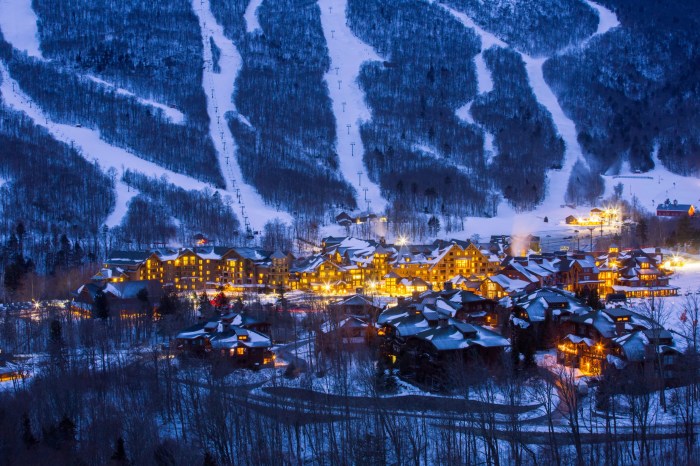
Winter sports photography in mountainous regions offers a unique opportunity to capture the beauty and excitement of snow-covered landscapes. However, it comes with its own set of challenges and considerations. Let’s explore what you need to know to take stunning winter sports photos in the mountains.
Equipment for Winter Sports Photography
When photographing winter sports such as skiing or snowboarding, it’s essential to have the right equipment to ensure you get the best shots possible. Here are some key pieces of gear you’ll need:
- A high-quality DSLR or mirrorless camera with a fast shutter speed to capture fast-moving subjects.
- A telephoto lens to zoom in on the action from a distance.
- A sturdy tripod to keep your camera stable in snowy conditions.
- Extra batteries and memory cards to ensure you don’t run out of power or storage space.
- A waterproof camera bag to protect your gear from snow and moisture.
Safety Considerations for Winter Sports Photography
When photographing winter sports in the mountains, safety should always be a top priority. Here are some safety considerations to keep in mind:
- Dress warmly and wear appropriate winter gear to stay comfortable in cold conditions.
- Stay aware of your surroundings and watch out for potential hazards, such as avalanches or icy patches.
- Communicate with the athletes or skiers you’re photographing to ensure you’re not in their way or putting yourself at risk.
- Be prepared for changing weather conditions and have a plan in place in case of an emergency.
Tips for Capturing Snow-Covered Landscapes
Winter landscapes covered in snow offer a magical backdrop for your photos. Here are some tips for capturing the beauty of snow-covered landscapes:
- Experiment with different angles and perspectives to create visually interesting compositions.
- Use a polarizing filter to reduce glare from the snow and enhance colors in your photos.
- Include elements like trees, mountains, or ski tracks to add depth and context to your snowscape images.
- Play with natural light and shadows to create mood and atmosphere in your winter landscape shots.
Thrill of Winter Adventures in the Mountains
Winter adventures in the mountains offer a thrilling experience for outdoor enthusiasts. However, they also present unique challenges that require careful preparation and planning. Whether you’re skiing down steep slopes, snowboarding through fresh powder, or capturing the beauty of a snow-covered landscape, winter sports travel in mountainous regions is sure to leave you with unforgettable memories.
Desert Expeditions
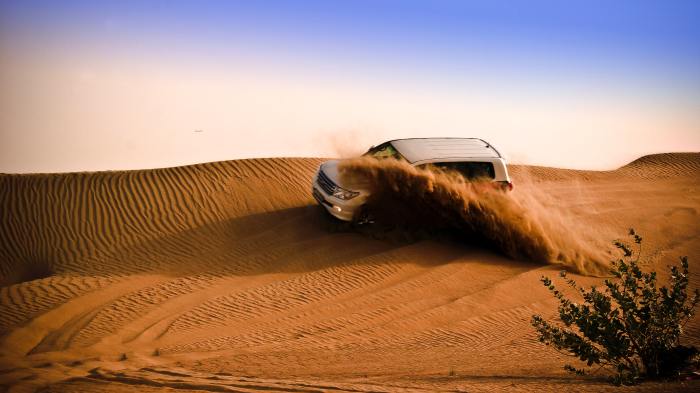
Desert expeditions offer a unique adventure experience unlike any other. The vast, arid landscapes present both challenges and rewards for photographers seeking to capture the beauty of these harsh environments.
Highlighting Desert Destinations
- Explore the stunning sand dunes of the Sahara Desert in Africa, known for their mesmerizing shapes and shadows.
- Discover the otherworldly landscapes of Wadi Rum in Jordan, with its towering rock formations and ancient petroglyphs.
- Capture the colorful rock formations of the American Southwest, from the Grand Canyon to Monument Valley.
- Experience the surreal salt flats of Bolivia’s Salar de Uyuni, where the vast expanse creates endless photographic possibilities.
Challenges and Rewards of Desert Photography
- Overcoming extreme temperatures and harsh sunlight can be a challenge, but the unique textures and colors of desert landscapes make for stunning photographs.
- The stark beauty of deserts, with their minimalist landscapes and dramatic lighting, offers photographers a chance to create striking compositions.
- Patience and timing are key in desert photography, as the changing light throughout the day can transform the same scene into completely different images.
Staying Hydrated and Safe in the Desert
- Always carry an ample supply of water and stay hydrated to avoid the risks of dehydration and heat exhaustion.
- Protect yourself from the sun with adequate clothing, sunscreen, and a hat to prevent sunburn and heatstroke.
- Be aware of the signs of heat-related illnesses and know when to seek shade and rest to prevent any health issues during your expedition.
Photography Opportunities in Desert Landscapes
- Embrace the vastness of desert landscapes by capturing wide-angle shots that showcase the expanse of sand, rock, and sky.
- Focus on the details, such as the patterns in sand dunes, the textures of rocks, or the play of light and shadow on the desert floor.
- Experiment with different times of day to capture the changing colors and moods of the desert, from the warm hues of sunrise to the cool tones of sunset.
Embark on your next mountain photography journey equipped with the knowledge and insights gained from our guide. Make every shot count as you immerse yourself in the awe-inspiring world of mountain adventure photography.
Quick FAQs
What camera gear is essential for mountain photography?
Key gear includes a sturdy DSLR or mirrorless camera, wide-angle lens, tripod, polarizing filter, and extra batteries.
How can I adjust camera settings for high-altitude environments?
Opt for a lower ISO to reduce noise, adjust white balance for harsh lighting conditions, and use manual mode for more control.
Why is hiring a guide beneficial for mountain expeditions?
A guide provides local expertise, enhances safety, and opens up opportunities for unique photography angles and experiences.