Best Hiking Trails for Photography opens up a world of breathtaking landscapes and scenic views, inviting you to capture the beauty of nature in its purest form. From majestic mountains to serene deserts, get ready to embark on a visual journey like no other.
As we delve deeper into the realm of hiking trails ideal for photography, you’ll uncover essential tips, tricks, and insights to elevate your outdoor photography game to new heights.
Best Hiking Trails for Photography
When it comes to capturing stunning photos while hiking, choosing the right trail can make all the difference. Here are some key features that make a hiking trail ideal for photography:
Key Features of Ideal Hiking Trails for Photography
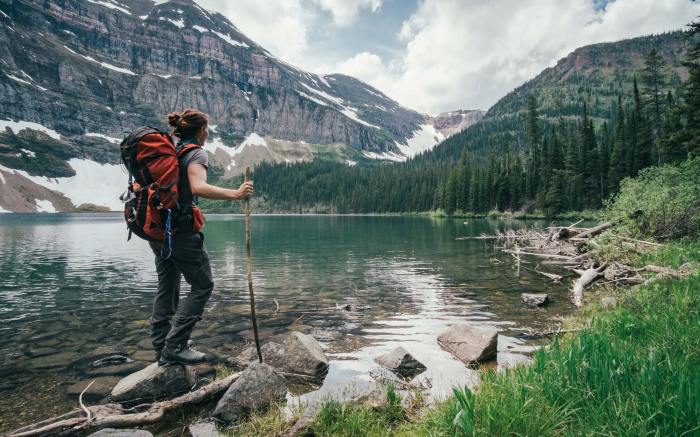
- Scenic viewpoints: Trails that offer panoramic views of mountains, lakes, waterfalls, or valleys are perfect for capturing breathtaking landscape shots.
- Biodiversity: Hiking trails that pass through diverse ecosystems with unique flora and fauna provide ample opportunities for nature photography.
- Interesting landmarks: Trails that include interesting landmarks such as rock formations, ruins, or historical sites can add depth and character to your photos.
- Variety of lighting conditions: Trails that offer a mix of lighting conditions, including sunrise, sunset, golden hour, and dappled sunlight, allow for a range of photo opportunities.
Importance of Lighting Conditions on Hiking Trails
Good lighting is essential for capturing stunning photos on hiking trails. The angle and quality of light can dramatically affect the mood and composition of your photos. For example, soft morning light can enhance the colors of a sunrise, while harsh midday light may create strong shadows. Being mindful of lighting conditions and adjusting your settings accordingly can help you achieve the desired effect in your photos.
Tips for Capturing Unique Perspectives and Compositions
- Experiment with different angles: Try shooting from low to the ground or from above to create unique perspectives.
- Use leading lines: Incorporate natural elements like trails, rivers, or rocks to lead the viewer’s eye through the photo.
- Frame your shots: Use natural frames such as tree branches or rock formations to add depth and interest to your compositions.
- Include a focal point: Choose a main subject to anchor your photo and build the composition around it.
Examples of Famous Hiking Trails Known for Their Photogenic Views
- Angel’s Landing in Zion National Park, Utah: Known for its jaw-dropping views and narrow ridge trail.
- The Narrows in Zion National Park, Utah: Offers a unique experience of hiking through a slot canyon with towering walls.
- Half Dome in Yosemite National Park, California: Iconic granite peak with panoramic views of the Yosemite Valley.
- South Kaibab Trail in Grand Canyon National Park, Arizona: Descend into the canyon for expansive views of colorful rock formations.
Hiking and Trekking
Hiking and trekking are both outdoor activities that involve walking in natural environments, but they have some key differences. Hiking is usually a leisurely walk on well-marked trails, often done in a day, while trekking involves longer, more challenging journeys over multiple days, often in remote areas with varying terrain.
Benefits of Hiking and Trekking for Physical and Mental Health
- Physical Benefits:
- Improves cardiovascular fitness and muscle strength.
- Helps in weight loss and maintaining a healthy body.
- Enhances overall endurance and stamina.
- Mental Benefits:
- Reduces stress and anxiety, promoting mental well-being.
- Boosts mood and overall mental health.
- Increases mindfulness and connection with nature.
Essential Gear and Equipment for Hiking and Trekking
- Proper hiking boots/shoes for stability and support.
- Backpack with essentials like water, snacks, first aid kit, and navigation tools.
- Weather-appropriate clothing and layers for changing conditions.
- Trekking poles for stability and reducing strain on knees.
- Sun protection like sunscreen, hat, and sunglasses.
Preparation for a Challenging Hiking or Trekking Adventure
- Physical Preparation:
- Gradually increase endurance and strength through regular exercise.
- Practice hiking with a weighted backpack to simulate trekking conditions.
- Work on improving balance and stability through specific exercises.
- Mental Preparation:
- Visualize successful completion of the trek to build confidence.
- Practice mindfulness and relaxation techniques to manage stress during the adventure.
- Stay positive and focused on the present moment while hiking or trekking.
Mountain Adventures
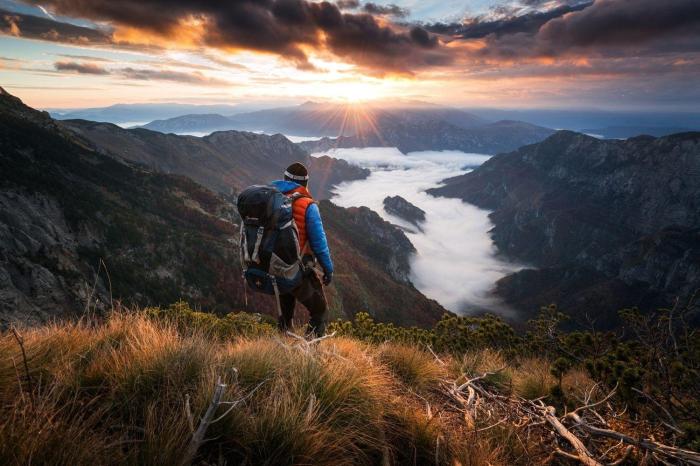
Embark on an exhilarating journey through the rugged terrain of mountains and experience the thrill of mountain adventures. Adventure seekers are drawn to the challenge and beauty of these towering peaks, making mountain hiking a popular choice for those seeking an adrenaline rush and stunning photography opportunities.
Popular Mountain Destinations
- Mount Everest, Nepal: Known as the highest mountain in the world, Mount Everest offers a once-in-a-lifetime hiking experience for adventurers.
- Rocky Mountains, USA: With its breathtaking landscapes and diverse wildlife, the Rocky Mountains provide endless opportunities for capturing stunning photos.
- Matterhorn, Switzerland: The iconic pyramid-shaped peak of the Matterhorn is a favorite among photographers seeking dramatic mountain vistas.
Safety Measures and Precautions, Best Hiking Trails for Photography
- Always check weather conditions and trail difficulty before embarking on a mountain adventure.
- Carry essential gear such as proper footwear, water, food, first aid kit, and navigation tools.
- Inform someone of your hiking plans and expected return time.
- Stay on marked trails and avoid venturing off the designated path.
Personal Experiences
During my recent mountain hiking expedition in the Swiss Alps, I was mesmerized by the beauty of the snow-capped peaks and crystal-clear lakes. The sense of accomplishment upon reaching the summit was truly unparalleled, and the photos I captured along the way served as lasting memories of an unforgettable adventure.
Safari and Wildlife Tours
When it comes to combining hiking and wildlife photography, safari tours offer a unique opportunity to capture stunning images of animals in their natural habitat. These tours allow you to explore diverse landscapes while observing and photographing a wide range of wildlife species.
Best Locations for Hiking and Wildlife Photography
- Maasai Mara National Reserve in Kenya: Known for its vast savannahs and abundant wildlife, Maasai Mara offers excellent opportunities for wildlife photography while hiking.
- Yellowstone National Park in the United States: With its diverse ecosystems and iconic wildlife such as bears, wolves, and bison, Yellowstone is a paradise for hikers and wildlife photographers.
- Galapagos Islands in Ecuador: This unique archipelago is home to a variety of endemic species, making it a top destination for combining hiking and wildlife photography.
Tips for Capturing Wildlife on Hiking Trails
- Be patient and observant: Wildlife photography requires patience and keen observation skills to capture animals in their natural behavior.
- Use a telephoto lens: To maintain a safe distance from wildlife and capture detailed shots, a telephoto lens is essential for hiking photographers.
- Respect the animals: Always prioritize the well-being of the wildlife and maintain a safe distance to avoid disturbing their natural behavior.
Challenges and Rewards of Wildlife Photography on Hiking Trails
- Challenges: Hiking in remote areas can present logistical challenges such as carrying heavy camera gear and dealing with unpredictable weather conditions.
- Rewards: The sense of accomplishment from capturing unique wildlife moments and the opportunity to connect with nature on a deeper level make wildlife photography on hiking trails truly rewarding.
Extreme Sports Travel
When it comes to extreme sports travel, hiking offers a unique blend of adventure and connection with nature. However, there are other extreme sports activities that provide a different kind of thrill and excitement.
Comparing Hiking with Other Extreme Sports
While hiking allows you to immerse yourself in the beauty of natural landscapes at a slower pace, activities like rock climbing, skydiving, and white-water rafting offer a more intense adrenaline rush and physical challenge. Each sport has its own appeal and level of risk, catering to different preferences and skill levels.
Adrenaline Rush and Excitement
- Engaging in extreme sports travel can trigger a surge of adrenaline, leading to a heightened sense of excitement and accomplishment.
- The thrill of pushing your limits and conquering fears adds an element of adventure that is hard to replicate in daily life.
- Participating in extreme sports can also boost confidence and mental resilience, as you overcome challenges and test your abilities.
Recommendations for Combining Extreme Sports with Hiking
- Consider incorporating activities like bungee jumping, zip-lining, or paragliding into your hiking itinerary for a diverse and exhilarating experience.
- Ensure that you have the necessary skills and training for any extreme sports you plan to undertake, and follow safety guidelines to minimize risks.
- Choose destinations that offer a variety of extreme sports options, allowing you to customize your adventure based on your interests and comfort level.
Examples of Extreme Sports Destinations with Hiking Opportunities
- New Zealand: Known for its stunning landscapes and adventure sports, New Zealand offers a mix of hiking trails, bungee jumping sites, and skydiving locations.
- Colorado, USA: A hotspot for outdoor enthusiasts, Colorado boasts challenging hiking routes and opportunities for rock climbing, mountain biking, and white-water rafting.
- Switzerland: With its alpine scenery and diverse terrain, Switzerland is a paradise for hikers and adrenaline junkies alike, offering activities like canyoning, paragliding, and skiing.
Scuba Diving Destinations
When it comes to adventurous travel experiences, the connection between hiking and scuba diving can offer a unique blend of exploration on land and underwater. For travelers who enjoy capturing stunning moments through photography, combining hiking and scuba diving adventures can provide an array of exciting opportunities to document nature’s beauty.
Underwater Photography Opportunities
Exploring scuba diving destinations opens up a whole new world for photographers. Underwater photography allows travelers to capture mesmerizing marine life, vibrant coral reefs, and unique underwater landscapes. With the right equipment and skills, hikers can expand their photography portfolio by diving into the depths of the ocean to capture breathtaking moments.
Preparing for a Scuba Diving Trip after Hiking
After a challenging hiking adventure, it’s essential to prepare adequately for a scuba diving trip. Ensure you have the necessary scuba diving certification, pack appropriate gear, and familiarize yourself with diving safety procedures. Transitioning from hiking to diving requires a shift in mindset and preparation to fully enjoy the underwater experience.
Unique Experiences of Combining Hiking and Scuba Diving
Combining hiking and scuba diving in travel itineraries offers a diverse range of experiences. From trekking through lush forests to exploring colorful underwater ecosystems, travelers can immerse themselves in the wonders of nature both above and below sea level. This unique combination allows adventurers to witness the beauty of different environments and create unforgettable memories.
Adventure Travel Blogs
Adventure travel blogs play a crucial role in inspiring hikers and photographers to explore new destinations and embark on thrilling adventures. These blogs provide valuable insights, tips, and firsthand experiences that can motivate individuals to step out of their comfort zones and take on exciting challenges in the great outdoors.
Role of Adventure Travel Blogs
Adventure travel blogs serve as a treasure trove of information for outdoor enthusiasts looking to discover new hiking trails for photography. Through vivid storytelling, stunning photography, and detailed guides, these blogs offer a glimpse into the beauty of various landscapes, sparking curiosity and igniting a sense of wanderlust in their readers.
Recommendations for Popular Adventure Travel Blogs
- The Adventure Junkies – Known for its comprehensive guides on hiking trails around the world, this blog is a go-to resource for outdoor adventurers.
- Expert Vagabond – With a focus on adventure travel and photography, this blog showcases breathtaking landscapes and provides valuable tips for photographers on the go.
- Bearfoot Theory – Offering a mix of outdoor adventure, sustainable travel, and photography tips, this blog is perfect for eco-conscious hikers seeking inspiration.
Impact of Social Media Influencers
Social media influencers play a significant role in promoting hiking trails for photography through their captivating content and large following. By showcasing their adventures in real-time and engaging with their audience, influencers can create a buzz around specific destinations, motivating others to explore these trails and capture their own memorable moments in nature.
Rock Climbing Trips
Rock climbing trips offer a unique blend of adrenaline-pumping adventure and breathtaking natural beauty, making them an ideal choice for photography enthusiasts looking to capture stunning landscapes from unique vantage points.
Relationship between Rock Climbing and Hiking Adventures
Rock climbing and hiking adventures share a common thread of exploring the great outdoors and immersing oneself in nature. While hiking typically involves traversing trails on foot, rock climbing takes the adventure to new heights, quite literally, by scaling vertical rock faces. Both activities provide a sense of accomplishment and a deeper connection to the natural world.
Physical and Mental Challenges of Combining Rock Climbing with Photography
Combining rock climbing with photography presents a dual challenge of physical exertion and mental focus. Climbers must navigate challenging terrain while also carrying camera gear, requiring strength, agility, and balance. Additionally, capturing the perfect shot amidst the thrill of climbing demands mental clarity and quick decision-making skills.
Safety Tips for Photographers Interested in Capturing Rock Climbing Expeditions
- Always prioritize safety equipment such as helmets, harnesses, and proper footwear.
- Secure your camera gear with a harness or strap to prevent accidental drops.
- Communicate clearly with your climbing partner or team to coordinate movements and ensure safety.
- Be mindful of your surroundings and potential hazards while focusing on photography.
- Practice proper climbing techniques and seek guidance from experienced climbers.
Rock Climbing Destinations with Scenic Views for Photography
Yosemite National Park, California
Iconic granite cliffs like El Capitan offer stunning views for photography.
Joshua Tree National Park, California
Unique rock formations and desert landscapes provide a picturesque backdrop.
Banff National Park, Canada
Majestic peaks and turquoise lakes create an unforgettable setting for climbing and photography.
Kalymnos, Greece
Coastal cliffs and crystal-clear waters offer a Mediterranean paradise for climbers and photographers alike.
Beaten Path Adventures
When it comes to exploring hiking trails for photography, there’s something truly special about venturing off the beaten path. These lesser-known trails offer unique opportunities to capture stunning landscapes and wildlife in a way that few others have experienced.
Benefits of Off-the-Beaten-Path Trails
- Opportunity for unique and original photography compositions
- Lack of crowds for a more peaceful and immersive experience
- Potential for serendipitous discoveries and hidden gems
- Capturing the essence of untouched nature
Serendipitous Discoveries
Exploring off-the-beaten-path trails often leads to unexpected and magical encounters. From stumbling upon hidden waterfalls to spotting elusive wildlife, these serendipitous moments can result in some of the most memorable photography experiences.
Recommendations for Hidden Gems
- Research local hiking forums and blogs for insider tips on lesser-known trails
- Ask local guides or park rangers for recommendations off the beaten path
- Be open to spontaneity and exploration when choosing your hiking route
- Consider visiting lesser-known national parks or nature reserves for unique photography opportunities
Winter Sports Travel
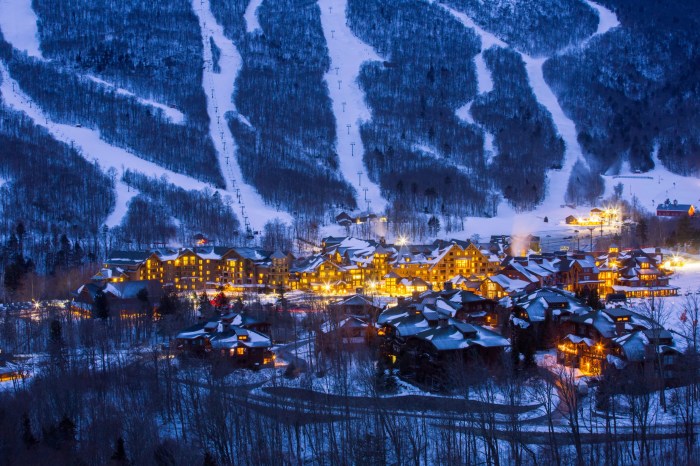
Winter landscapes offer a unique and breathtaking backdrop for photography, especially on hiking trails. The snow-covered mountains, frozen lakes, and icy waterfalls create stunning scenes that are perfect for capturing in photographs.Winter hiking for photographers comes with its own set of challenges and rewards. The cold weather and slippery conditions can make it difficult to navigate the trails, but the peaceful and serene atmosphere of the winter landscape can result in truly magical photographs.To stay safe and warm while photographing in cold weather, it is important to dress in layers, wear insulated boots and gloves, and carry extra batteries for your camera.
It’s also essential to stay hydrated and take breaks to warm up if needed.Some picturesque winter sports destinations that offer beautiful hiking trails for photography include Banff National Park in Canada, the Swiss Alps in Switzerland, and Yellowstone National Park in the United States. These locations provide stunning winter scenery that is perfect for capturing unforgettable moments on camera.
Desert Expeditions
Desert expeditions offer a unique opportunity for photographers to capture the beauty of vast landscapes and stunning sunsets. However, venturing into the desert requires careful preparation and attention to hydration to ensure a safe and enjoyable experience.
Photography Opportunities in Desert Landscapes
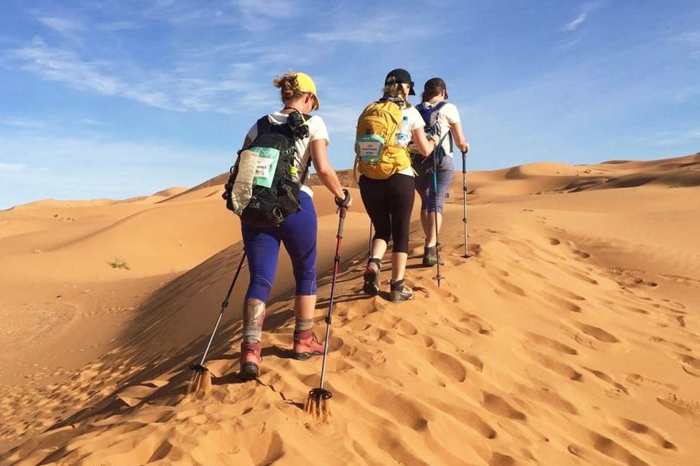
- Desert landscapes provide a stark and captivating backdrop for photography, with opportunities to capture the play of light and shadow on the dunes and rock formations.
- Unique flora and fauna found in desert environments can also make for interesting subjects in photos, showcasing the resilience of life in harsh conditions.
Importance of Preparation and Hydration
- Before embarking on a desert hike, it is crucial to pack plenty of water and snacks to stay hydrated and energized throughout the journey.
- Protective clothing, sunblock, and a hat are essential to shield yourself from the harsh sun and prevent sunburn and dehydration.
Tips for Capturing Desert Sunsets and Landscapes
- Timing is crucial when photographing desert sunsets, as the soft golden light can transform the landscape into a magical scene.
- Experiment with different angles and perspectives to capture the vastness and beauty of the desert, utilizing the natural elements to frame your shots.
Contrast Between Desert Hiking and Other Nature Trails
- Desert hiking offers a unique experience compared to lush forests or mountain trails, with the stark beauty of the landscape and the challenge of the harsh environment.
- The tranquility and solitude of the desert can provide a sense of peace and introspection not easily found in other nature trails, making it a truly unforgettable adventure.
Immerse yourself in the wonders of nature and unleash your creativity as you explore the best hiking trails for photography. Let each step lead you to a new perspective, a new frame, and a new story waiting to be told through your lens.
Essential Questionnaire: Best Hiking Trails For Photography
What lighting conditions are ideal for capturing stunning photos on hiking trails?
Avoid harsh midday sun and aim for the golden hours of sunrise and sunset for soft, warm lighting that enhances your photos.
How can I prepare physically and mentally for a challenging hiking or trekking adventure?
Stay hydrated, pack essential gear, train your body for endurance, and mentally prepare for the unpredictable challenges nature may present.
What are some safety measures to consider while embarking on mountain adventures?
Always check weather conditions, inform someone of your itinerary, carry emergency supplies, and stay on marked trails to ensure your safety.
How can I capture wildlife in their natural habitat while hiking?
Use telephoto lenses for a safe distance, be patient, observe animal behavior, and respect their space to capture authentic wildlife moments.
What are the unique challenges of combining rock climbing with photography?
Balancing gear, safety, and capturing moments in precarious positions can be physically and mentally demanding, requiring careful planning and focus.